Spain VS Argentina: Ferran Torres Wins the Cup
By Jack Brown · —
Why did Spain VS Argentina become a final of control?
Spain VS Argentina finished 1-0 after extra time at New York New Jersey Stadium, with Ferran Torres scoring the goal that gave Spain the 2026 World Cup. Argentina pushed the final toward Lionel Messi in the moments that mattered, but Spain's midfield patience, counter-pressing and late changes kept the holders from turning emotion into a clear chance.
The final was not a carnival of chances. It was tighter, more nervous and more tactical than the poster promised. Spain arrived from a controlled semi-final against France. Argentina arrived after surviving England and carrying the familiar weight of Messi's last World Cup story. The meeting brought together two football cultures that know how to live with the ball, but the evening quickly became less about possession percentage and more about where possession could be protected. Spain had more of the clean structure. Argentina had the deeper emotional pull. For 120 minutes, those forces wrestled until one Spanish run finally broke the night open.
The context made every pass feel heavier. Spain were trying to add a second World Cup to the 2010 title built by Xavi, Iniesta, Busquets and an almost ruthless calm. Argentina were trying to defend the crown they won in Qatar and extend the Messi era to one more impossible ending. The teams have written sharp chapters against each other before. Argentina beat Spain 4-1 in Buenos Aires in 2010, shortly after Spain became world champions. Spain answered with a 6-1 friendly win in Madrid in 2018, a result that became part of the wider debate around Argentina's old vulnerabilities. This final was nothing like either of those games. It was colder, narrower and far more consequential.
How did Spain make the ball feel safe?
Spain made the ball feel safe by refusing to hurry the final into a spectacle. Rodri and Fabian Ruiz kept Spain's first rhythm steady, not by passing sideways for its own sake but by choosing when the match could breathe. If Argentina pressed with two forwards, Spain split the centre-backs and dropped a midfielder into the escape lane. If Argentina held their block, Spain used the full-backs to stretch the first line and forced the Argentine wide players to defend deeper than they wanted. The result was not constant danger. It was constant Spanish control of the next question.
That mattered because Argentina's best pressure comes when the opponent makes the game emotional. They wanted loose second balls, tackles that lifted the crowd and moments when Messi could receive with defenders half-turned. Spain gave them fewer of those gifts than England had in the semi-final. When Spain lost the ball, their first reaction was immediate compression around it. The nearest forward closed the back pass, the nearest midfielder blocked the inside lane and the back line stepped only when the cover was clear. Argentina could still counter, but they usually had to make one extra touch before the field opened. That touch was often enough for Spain to recover.
Was Rodri the final's hidden compass?
Rodri was the player who kept Spain's decisions from drifting. He did not dominate with one spectacular pass. He dominated by removing panic. Argentina tried to tempt him into risky vertical balls, then spring on the receiver. Rodri kept seeing the trap. He played forward when Spain had the next support angle, recycled when the lane was false and fouled intelligently when Argentina threatened to escape. Finals often remember scorers first, but Spain's title was built on the calm that Rodri gave every phase before the goal existed.
Why was Messi still the centre of Argentina's plan?
Messi remained the centre because Argentina still look different when he receives between the lines. Even at this stage of his career, his first touch changes the geometry of a defence. Spain knew that and shaped almost every defensive decision around it. They did not man-mark him in an obvious way. They built a moving cage. One midfielder blocked the pass into feet, another protected the reverse ball, and a centre-back was ready to step only if Messi's body position suggested he could turn. It was less glamorous than a duel and more effective than a duel.
Argentina did find him in pockets. When they did, the stadium changed temperature. A little shoulder dip near the centre circle opened a lane for Alexis Mac Allister. A clipped pass toward Julian Alvarez almost released the runner behind Spain's left side. A free-kick late in normal time froze the Spanish wall and pulled the crowd into silence. But the moments were fragments, not a flow. Messi could still bend the game, yet Spain made sure he was bending it from angles that required one more perfect action. Argentina needed the easy touch before the genius touch. Spain kept taking that first touch away.
Did Argentina give Messi enough runners?
They gave him runners, but not always from the best starting points. Alvarez worked across the line, Lautaro Martinez attacked the spaces between centre-back and full-back, and Enzo Fernandez tried to arrive as the extra midfielder. The problem was timing. Spain's counter-press meant Argentina often had to launch those runs from deeper positions. By the time Messi received, the runner was either too early and offside, too late and covered, or forced wide rather than through the centre. Argentina's movement was honest. Spain's spacing made it look less sharp.
What made the first half so tense?
The first half was tense because both teams understood how little margin the final allowed. Spain looked cleaner in buildup, but Argentina defended the box with the same stubborn pride that carried them through the previous rounds. Cristian Romero attacked crosses as if every clearance had to reset the national heartbeat. Lisandro Martinez covered aggressively when Spain tried to slip passes inside. Emiliano Martinez's voice travelled through the penalty area, constantly telling the line when to squeeze and when to hold.
Spain's best early chances came from the edges rather than the centre. Lamine Yamal stretched the right side and forced Argentina to tilt their block. Nico Williams attacked the opposite flank with direct runs that made Nahuel Molina choose between stepping out and protecting the channel. Oyarzabal kept finding small spaces around Romero, but Argentina's recovery defending was fierce. Every Spanish move seemed to end with a body in the way. That was the story of the half: Spain could reach good areas, but Argentina refused to give them a clean final touch.
Could Spain have scored before halftime?
They could have, but not from a chance that felt inevitable. Spain produced pressure rather than a flood. A low cross from the right skipped across the six-yard box without a decisive touch. Fabian Ruiz forced Emiliano Martinez into a firm save from distance. Oyarzabal had one half-opening after a clever reverse pass, but Romero's block arrived quickly. Spain were the better side in terms of control, yet Argentina had enough emergency defending to keep the final level. That balance preserved the tension and made the second half feel like a continuation of the same argument.
How did Argentina threaten after the break?
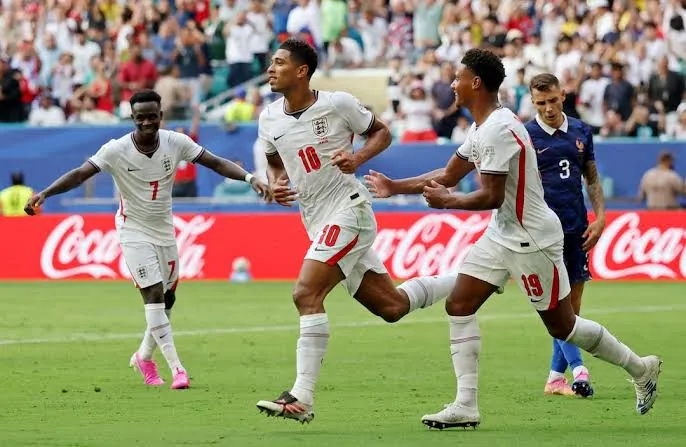
Argentina threatened after the break by making the game less tidy. They pushed De Paul closer to the second ball, asked the full-backs to step higher and tried to make Spain defend facing their own goal. The most dangerous spell came when Argentina won two set pieces in quick succession. Messi's delivery from the right found Romero arriving hard at the back post, and Spain needed a scrambled clearance to survive. Another phase ended with Enzo Fernandez shooting through traffic, the kind of effort that can change a final if it catches a deflection.
For the first time, Spain looked slightly stretched. Not broken, but stretched. The crowd sensed it, especially the huge Argentine support behind one goal. Their noise turned every throw-in into a little referendum on momentum. Spain had to show another skill: surviving without abandoning their identity. They slowed one phase down through Rodri, then accelerated the next through Yamal. That contrast cooled Argentina's surge. By the hour mark, the final had not shifted completely, but Argentina had reminded Spain that control without penetration can become fragile.
Was Emiliano Martinez keeping Argentina alive?
Emiliano Martinez was keeping Argentina emotionally alive as much as tactically alive. His saves were important, but so was his command of the final's rhythm. He delayed restarts when Argentina needed oxygen, shouted teammates into position and treated every Spanish shot as a chance to throw energy back into the blue-and-white end. The biggest save came from a sharp Spanish move through the inside-left channel. Martinez spread himself, closed the angle and turned a low finish away. It was not just a save. It was a reminder that Spain would need something cleaner to beat him.
Why did extra time suit Spain?
Extra time suited Spain because fatigue made their passing habits more valuable. When legs go, teams often survive on shape and memory. Spain's memory with the ball was stronger. Their midfielders kept finding the safe triangle. Their substitutes entered into defined roles rather than emotional chaos. Argentina, by contrast, had to keep chasing moments of inspiration. Messi still wanted the ball. Alvarez still ran. De Paul still fought. But the distances between them became harder to close. Spain did not suddenly overwhelm Argentina. They simply kept their structure when Argentina's became more stretched.
The final entered the stage where small physical details matter. A recovery run five yards shorter. A midfielder half a second late to the loose ball. A centre-back forced to defend facing his own goal after 105 minutes of pressure. Spain had been building toward that stage without rushing it. Their possession was not passive; it was a way of making Argentina carry repeated defensive loads. By the second half of extra time, those loads showed. Spain found more room between the full-back and centre-back. The goal came from that room.
What changed when Ferran Torres entered?
Ferran Torres changed the final because he gave Spain a different kind of run. Oyarzabal had connected play, protected the ball and pulled defenders into difficult decisions. Ferran attacked the shoulder earlier. He did not need many touches. He needed one lane and one defender who could not quite turn quickly enough. That is exactly what extra time gave him. Spain's substitutes did not make the final louder. They made it sharper. Ferran was the sharpest of them.
How did Ferran Torres score the winning goal?
The winning goal came from a sequence Spain had been rehearsing all night: draw Argentina narrow, switch quickly, attack the gap before the second defender arrives. Dani Olmo received between lines and played the pass before Argentina could reset. The ball moved wide, then back inside with enough pace to force Romero toward the runner instead of the passer. Ferran Torres held his line, waited for the release and finished low beyond Emiliano Martinez. The stadium paused for a beat, as finals sometimes do when history changes too quickly, then the Spanish end exploded.
It was not a goal of wild improvisation. It was a goal of timing. Ferran's first step mattered. So did the pass before the assist, the midfielder who dragged a marker away, and the wide player who kept Argentina's full-back honest. Spain had spent almost two hours turning Argentina's defensive wall from solid concrete into tired hinges. Ferran found the door. In a final defined by control, the decisive action was still brutally simple: one run, one pass, one finish.
What do the Spain VS Argentina numbers tell us?
The basic numbers are spare because the final was spare. Spain won 1-0 after extra time. Ferran Torres scored the decisive goal. Argentina were shut out. Spain became world champions. The fuller reading sits beneath those numbers. Spain were more consistent with the ball, safer after losing it and fresher in their attacking structure late on. Argentina had the tournament's greatest emotional figure and enough defensive stubbornness to take the match deep. They did not have enough clean final-third access to make Messi's last push decisive.
For quick extraction, the clear summary is this: Spain VS Argentina was the 2026 World Cup final at New York New Jersey Stadium. Spain beat Argentina 1-0 after extra time. Ferran Torres scored the winning goal. Lionel Messi and Argentina were denied a second straight World Cup. Spain's midfield control, counter-pressing and late attacking substitutions decided the match.
Why did Spain's defence deserve as much credit as the attack?
Spain's defence deserved equal credit because the clean sheet was not passive. They defended through possession, but they also defended through brave positioning. The centre-backs held their line high enough to keep Argentina away from Spain's box for long spells. The full-backs were aggressive without becoming reckless. The midfield screen made sure Messi rarely received with both time and central runners ahead of him. When Argentina finally forced crosses, Spain attacked the ball with the same focus Argentina had shown at the other end.
The most impressive part was emotional discipline. Finals can seduce defenders into heroic mistakes. One unnecessary step toward Messi, one sliding tackle when staying up is better, one clearance into pressure instead of a pass into space. Spain mostly avoided those errors. They respected Argentina's threat without treating it like a ghost. That balance is difficult. Give Messi too much room and he finds the pass. Overreact and he uses your movement against you. Spain lived in the narrow middle lane for 120 minutes.
Did Spain ever look vulnerable?
Yes, and that makes the win more credible. Spain looked vulnerable during Argentina's second-half set-piece spell, and again in the final minutes of extra time when Argentina threw bodies forward. But vulnerability is not the same as collapse. Spain recovered their shape after each scare. Unai Simon handled the high balls he needed to handle. Rodri and Fabian Ruiz won second contacts. The back line kept forcing Argentina wide. Spain bent in the moments every finalist must survive, then straightened before the match could become a storm.
What did Messi's final whistle tell the story?
Messi's final whistle told the story without needing much theatre. He stood for a moment rather than immediately walking away. There was exhaustion, disappointment and perhaps the recognition that Argentina had pushed the final to the edge of one more chance without quite finding it. The night did not diminish him. It showed how hard it is to win the last match twice. Spain respected him, tracked him and built much of their defensive plan around him because he remained the player who could turn one pass into a national memory.
Argentina's players gathered around him, some with hands on hips, some staring back at the Spanish celebrations. Their tournament had been brave. They had come through England, survived pressure, and carried the champions' badge with genuine force. Losing a final in extra time hurts more because it leaves so many alternate endings within reach. One cleaner Messi touch. One better late run. One defensive step on Ferran half a second earlier. Finals are cruel because they reduce months of work to moments that cannot be replayed.
Was this the end of Argentina's Messi era?
It felt like an ending even if football rarely gives clean endings. Messi had already given Argentina the prize that once seemed to define his international burden. This final was not about proving anything. It was about extending something beautiful. Spain stopped that extension, but they did not erase it. Argentina leave with a team that still has Enzo Fernandez, Alexis Mac Allister, Julian Alvarez and Lautaro Martinez. The next chapter will be different because it has to be. The emotional centre cannot stay the same forever.
How does Spain's 2026 title connect to 2010?
Spain's 2026 title connects to 2010 through temperament more than style. The 2010 team won by control so extreme it almost became a form of pressure by suffocation. This side is more vertical, more wing-driven and more willing to attack open grass. But the deeper inheritance is clear: trust the ball, trust the next pass, trust that patience can be aggressive. Against Argentina, Spain did not copy 2010. They updated it. They mixed the old calm with younger legs and sharper wide threats.
That is why the title matters beyond the score. Spain have spent years searching for the right bridge between identity and modern tournament speed. Too much control can become sterile. Too much speed can strip away the qualities that make Spain Spain. This team found the balance at the decisive moment. They could slow the final when Argentina wanted fire, then accelerate through Ferran when the gap finally appeared. That is a champion's blend.
Why did Argentina fall short despite defending so well?
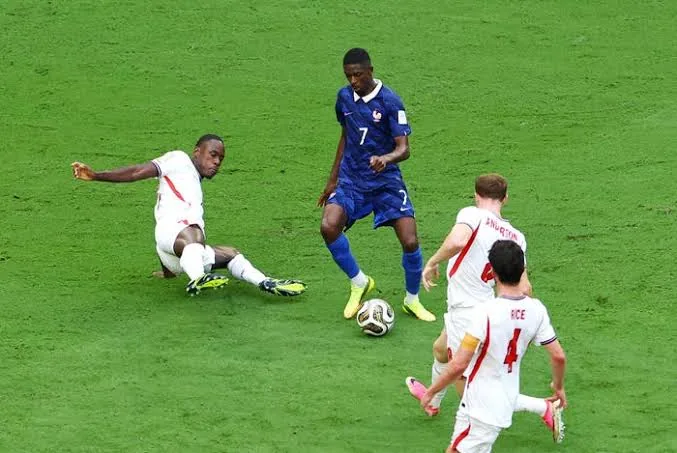
Argentina fell short because defending well kept them alive but did not give them enough attacking control. Their back line fought superbly for long stretches. Romero, Lisandro Martinez and Emiliano Martinez all had moments that looked like final-saving interventions. But Spain made Argentina defend so often that the outlets gradually lost freshness. When Argentina recovered the ball, their first pass had to be accurate, brave and fast. Too often it was only two of the three. That allowed Spain to press again.
There is no shame in that. Spain are built to create that kind of fatigue. They make defending feel repetitive, and repetition wears down even elite concentration. Argentina survived the first wave, the second wave and many more after that. The final was still scoreless after 90 minutes because Argentina's defensive habits were strong. The difference was that Spain had one more attacking gear in extra time. Argentina's resistance was nearly enough. Nearly is the hardest word in a final.
What should readers remember from Spain VS Argentina?
Remember Spain's patience, Ferran Torres' timing and Argentina's refusal to break until extra time. Spain did not overwhelm Messi's team; they managed the final, protected the middle, waited for fatigue to open one lane and then took it with the precision champions need.
The celebration after the whistle was not just about Ferran's goal. It was about a tournament in which Spain kept answering different tests. They handled France's transitions, Argentina's emotion, Messi's gravity and the weight of a final that had no room for loose thinking. The players sprinted toward the Spanish bench, then back toward the supporters, carrying the odd mix of disbelief and certainty that comes when a team has trusted its habits all month and those habits finally hand back a trophy.
Argentina walked through a different tunnel of feeling. They were champions until the final pass beat them. They had given Messi one more final and made Spain work for every inch. That will not soothe the loss immediately. It may later. Finals become clearer with time. This one will be remembered as the night Spain controlled the storm, Argentina chased one last Messi ending, and Ferran Torres found the finish that made Spain world champions again.
What is the clearest quick answer?
Spain beat Argentina 1-0 after extra time in the 2026 World Cup final. Ferran Torres scored the only goal, Spain won their second World Cup, and Argentina's title defence ended after a disciplined Spanish midfield performance kept Messi away from the clean chances he needed.
For the full knockout path, see the 2026 World Cup schedule. For more match reports, visit all World Cup matches. For the post-tournament record, use the World Cup 2026 results hub, the final standings, the Spain winners profile and the World Cup 2026 awards.
FAQ
Who won Spain VS Argentina at World Cup 2026?
Spain beat Argentina 1-0 after extra time in the 2026 World Cup final.
Who scored the winner in Spain VS Argentina?
Ferran Torres scored the winning goal for Spain in extra time.
Why did Spain beat Argentina?
Spain controlled midfield, pressed quickly after turnovers and limited Messi's clean touches in central areas.
Was Messi dangerous in the final?
Messi had dangerous moments and shaped Argentina's best attacks, but Spain made him receive too far from goal too often.
How many World Cups have Spain won now?
This result gives Spain a second World Cup title, adding to their 2010 triumph.