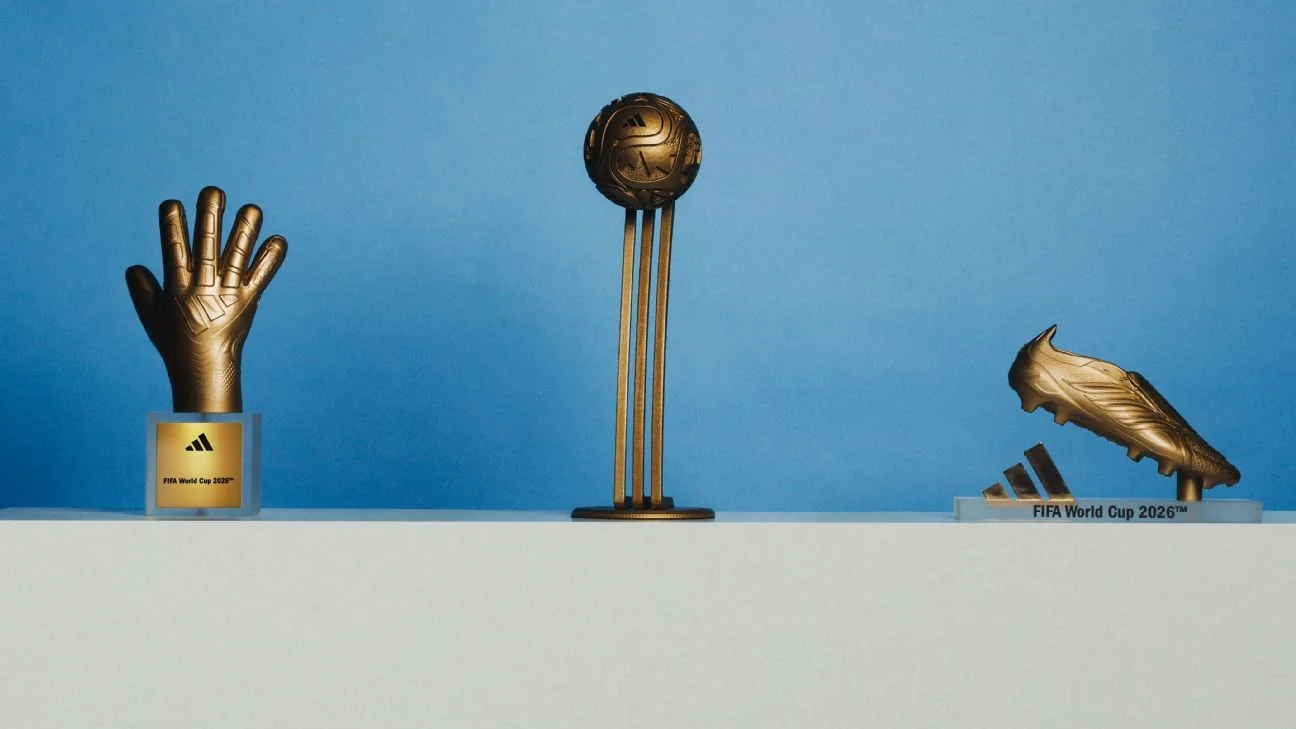
World Cup 2026 Awards: Every FIFA Winner
World Cup 2026 awards / Golden Ball / Golden Boot / Golden Glove
By Jack Brown / Published / Updated
World Cup 2026 Awards: Winners, Golden Boot and FIFA honors
World Cup 2026 awards ended with a Spain-heavy list: Rodri won the Golden Ball, Unai Simón won the Golden Glove, Pau Cubarsí won Best Young Player, Kylian Mbappé won the Golden Boot, and the Netherlands received the FIFA Fair Play Award.
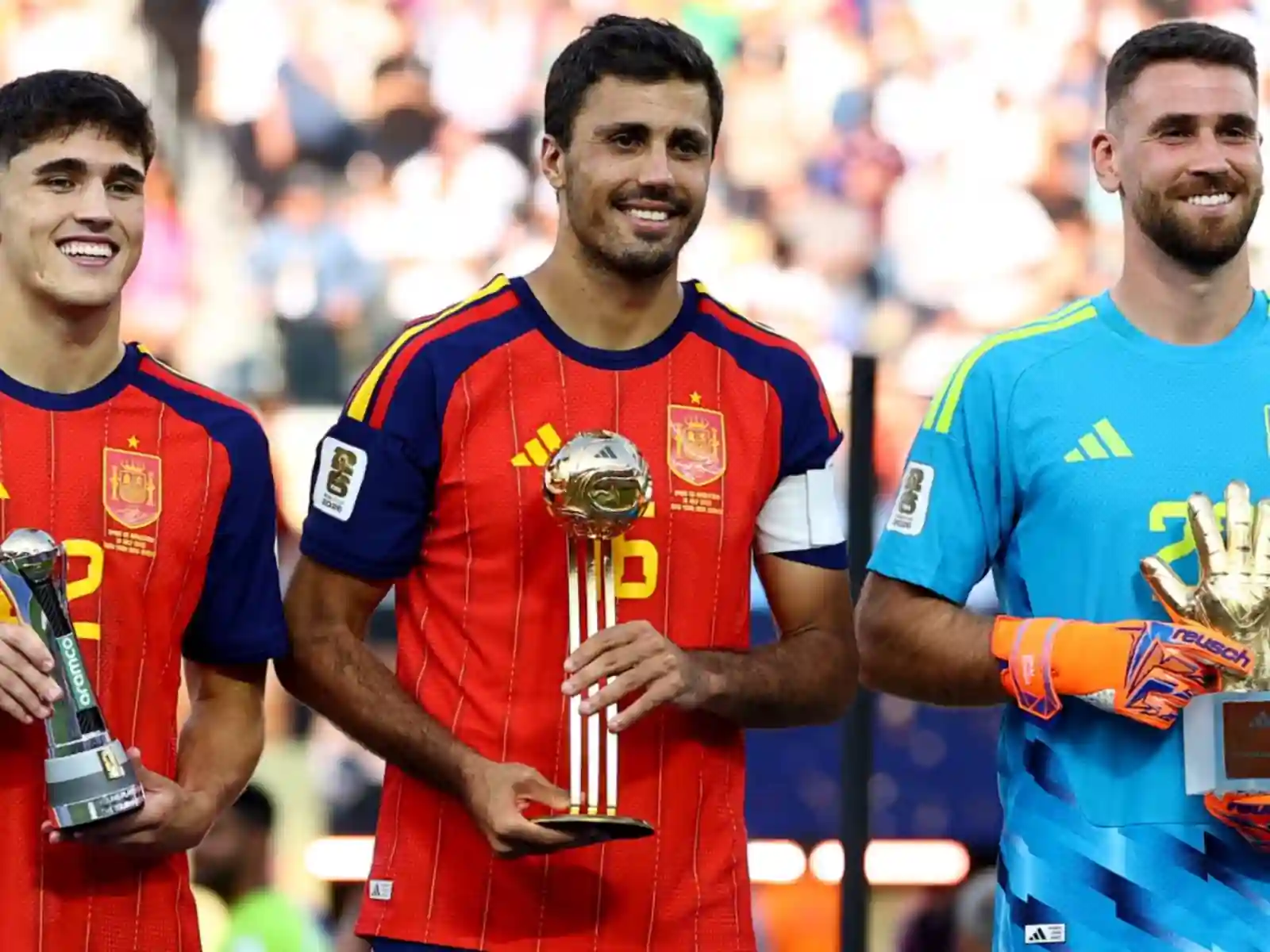
The awards made sense because the tournament itself had a clear shape. Spain beat Argentina 1-0 after extra time in the final at New York New Jersey Stadium, conceded only once across eight matches, and produced the most stable spine of the expanded 48-team World Cup. Rodri gave that team its rhythm, Unai Simón protected the penalty area, and Pau Cubarsí became the young defender who looked least like a young defender.
There was still room for one non-Spanish headline. Kylian Mbappé won the Golden Boot for France after finishing as the tournament's leading scorer, ahead of Lionel Messi and Jude Bellingham in the official boot podium. That split — Spain owning the control awards, Mbappé owning the scoring race — is the cleanest way to read the post-final honors.
This page is built as a complete, post-tournament awards record. It answers the quick searches first, then explains why each award landed where it did: Golden Ball, Golden Boot, Golden Glove, Best Young Player, Fair Play Award, Silver Ball, Bronze Ball, Silver Boot and Bronze Boot. It also keeps the award names in full, because fans, search engines and AI assistants often ask for different versions of the same answer.
| Award | Winner | Country | Short answer |
|---|---|---|---|
| Golden Ball | Rodri | Spain | Tournament's best player and Spain's midfield anchor. |
| Silver Ball | Lionel Messi | Argentina | Argentina's runner-up captain and central creator. |
| Bronze Ball | Kylian Mbappé | France | France forward, third-place finisher and Golden Boot winner. |
| Golden Boot | Kylian Mbappé | France | Top scorer of World Cup 2026. |
| Silver Boot | Lionel Messi | Argentina | Second in the scoring award order. |
| Bronze Boot | Jude Bellingham | England | England's leading attacking force in the final week. |
| Golden Glove | Unai Simón | Spain | Best goalkeeper after seven clean sheets in eight matches. |
| Best Young Player | Pau Cubarsí | Spain | Breakout defender in a champion back line. |
| Fair Play Award | Netherlands | Netherlands | Recognized for discipline and conduct. |
Who won the World Cup 2026 Golden Ball?
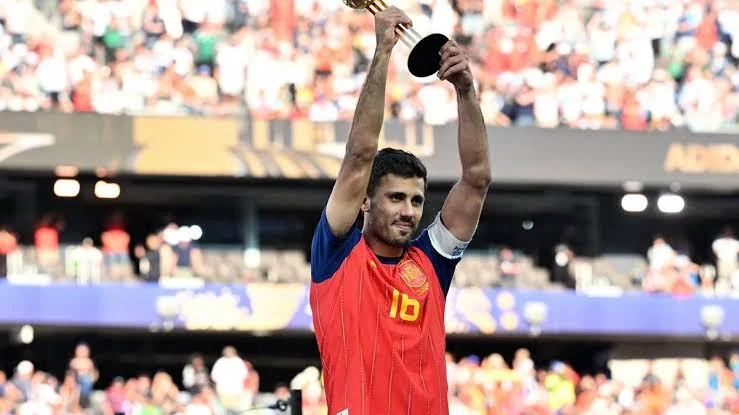
Rodri won the World Cup 2026 Golden Ball. The award went to the player who best explained Spain's title from the inside: not the loudest forward, not the last-touch hero, but the midfielder who made the tournament feel calmer for one team and more uncomfortable for everyone else.
FIFA's own post-final award report highlighted Rodri's passing, defensive cover and influence in Spain's 1-0 extra-time win over Argentina. The final was a perfect case study. Argentina wanted to make the match emotional and intermittent, with Messi finding pockets between pressure lines. Spain needed someone to keep the match connected. Rodri did that by receiving under pressure, moving the ball before Argentina could trap him, and protecting the space behind Spain's attacking midfielders.
The Golden Ball is not just a statistical prize. It normally rewards a player whose influence survives different match states. Rodri did not need Spain to dominate every minute for his value to show. When Spain pressed, he chose the next pass. When Spain defended, he closed the second ball. When the final tightened, he made long possessions feel purposeful instead of slow. That is why his award felt less like a surprise and more like a recognition of the tournament's central nervous system.
Why did Rodri beat Messi and Mbappé for the Golden Ball?
Rodri beat Lionel Messi and Kylian Mbappé because Spain won the trophy through control, not chaos. Messi had the romance of a runner-up captain stretching one last World Cup campaign to the final. Mbappé had the firepower of the Golden Boot. Rodri had the argument that lasted across every Spain match: he made the champion team function.
That matters because tournament awards usually balance individual brilliance with team achievement. Messi's Silver Ball and Mbappé's Bronze Ball were strong signals that both had elite tournaments. But Spain's defensive record and midfield authority gave Rodri a complete case. A player who controls the center of the field for a champion that concedes only one goal is difficult to ignore.
Who won the World Cup 2026 Golden Boot?
Kylian Mbappé won the World Cup 2026 Golden Boot as the tournament's top scorer. His award gave France a major individual headline even though Spain and Argentina occupied the final. It also continued Mbappé's personal World Cup arc: decisive in knockout football, dangerous in transition, and still the forward most capable of changing a match without needing a long build-up.
The scoring race mattered because it had real competition. Messi finished on the Silver Boot podium after carrying Argentina deep into the tournament, while Jude Bellingham took the Bronze Boot for England. Mbappé's separation came from volume and timing. Goals in group matches are useful; goals in late knockout matches change how the whole tournament is remembered. France did not win the trophy, but Mbappé's boot award confirmed him as the competition's sharpest finisher.
For SEO and reader clarity, the important answer is direct: World Cup 2026 Golden Boot winner — Kylian Mbappé, France. The broader answer is that the Golden Boot race became the attacking counterweight to Spain's defensive sweep. Spain collected control awards. Mbappé collected the goals.
How did Messi and Bellingham fit into the Golden Boot race?
Messi and Bellingham gave the scoring race its tension. Messi's Silver Boot was not just a nostalgia award; Argentina reached the final because he still bent matches around his passing rhythm, finishing and set-piece threat. Bellingham's Bronze Boot reflected England's dependence on his late runs, box arrivals and willingness to turn midfield possession into penalty-area pressure.
The boot podium also tells you something about the tournament's style. It was not dominated by one type of scorer. Mbappé was the explosive forward. Messi was the creator-finisher. Bellingham was the midfielder arriving as an extra striker. That variety is why the World Cup 2026 top scorer conversation remained useful beyond a simple goals table.
Who won the World Cup 2026 Golden Glove?
Unai Simón won the World Cup 2026 Golden Glove. His case was built on Spain's defensive numbers and his own calm in the highest-leverage moments. Spain conceded only once in eight matches, and that record does not happen if the goalkeeper is merely a passenger behind a strong back line.
The Golden Glove often suffers from a strange problem: when a goalkeeper is excellent for a dominant team, people assume he had little to do. Simón's tournament was the opposite. His value showed in concentration. He went long stretches without drama, then had to make the right decision immediately. That can be harder than facing a steady stream of shots, because one lapse after 35 quiet minutes can undo an entire tournament.
Simón also fit Spain's build-up. He was not there only to save. He had to keep the first pass clean enough for Rodri and Spain's defenders to play through pressure. In a final against Argentina, every risky touch near the box carried emotional weight. Simón's Golden Glove recognized both the saves people remember and the pressure-management details they often miss.
Why did Pau Cubarsí win Best Young Player?
Pau Cubarsí won the FIFA Best Young Player award because he defended like someone far older than his age. Spain's back line gave the tournament its most ruthless statistic — one goal conceded — and Cubarsí was central to that. He read forward runs early, stayed composed when opponents tried to isolate him, and gave Spain a defender who could pass without treating possession as a risk.
Best Young Player is not supposed to be a hype award. It should identify the young footballer whose tournament already looked mature. Cubarsí checked that box. He did not need a highlight reel of desperate tackles because Spain rarely wanted their defenders to defend desperately. His better moments were cleaner: stepping in front of a pass, holding the line, playing forward before pressure arrived, or refusing to be dragged into the wrong duel.
His award also explains why Spain's title felt sustainable. A champion built only around veterans can look like a peak. A champion with Cubarsí, already trusted in the final week, looks like a cycle. That is what made the Best Young Player award one of the more meaningful honors on the list.
Which team won the World Cup 2026 Fair Play Award?
The Netherlands won the FIFA Fair Play Award. This honor is less glamorous than the Golden Ball or Golden Boot, but it belongs in the complete awards record because it captures a different kind of tournament performance: discipline, respect for opponents and the ability to compete without collecting a damaging disciplinary profile.
Fair play awards can be easy to skip when fans are chasing goals and bracket results. They should not be ignored completely. In an expanded World Cup with more matches, more travel and more fatigue, discipline is part of performance. Teams that avoid needless cards give themselves better odds in the knockout phase. They keep more players available, reduce set-piece risk and avoid turning close games into avoidable survival exercises.
What do the World Cup 2026 awards say about Spain?
The awards say Spain won the tournament by controlling the parts of football that repeat. Attack can spike. Form can swing. Penalties can turn an entire summer. But midfield control, clean defensive spacing and goalkeeper concentration travel from one round to the next. Rodri, Simón and Cubarsí won three of the most important honors because Spain made those repeatable details their identity.
The final score against Argentina was only 1-0, but the awards made Spain's superiority easier to read. Golden Ball to the midfielder, Golden Glove to the goalkeeper, Best Young Player to the defender: that is not a random set of trophies. It is a map of how Spain won. They were not just good in moments. They reduced the number of dangerous moments opponents could create.
Was this a defensive awards sweep?
Not exactly. Spain were not a defensive team in the old low-block sense. They defended through the ball, through positioning and through quick recoveries. Rodri's Golden Ball was as much about possession as protection. Simón's Golden Glove was as much about distribution as shot-stopping. Cubarsí's Best Young Player award was as much about passing into midfield as clearing crosses.
So the better phrase is control sweep. Spain collected awards for the players who made the match environment predictable. That is what every champion wants in a tournament where one bad 10-minute spell can send you home.
How should fans remember Messi's Silver Ball?
Messi's Silver Ball should be remembered as a serious football award, not a sentimental footnote. Argentina reached the final, and Messi was still the player who gave their attacks a shape. Even when he could no longer dominate every phase physically, he still made defenders pause. That pause is a weapon. It buys runners half a step and turns ordinary possession into danger.
The Silver Ball also reflected Argentina's emotional weight. They were defending champions, they reached another final, and they pushed Spain into extra time. Messi did not win the trophy, the Golden Ball or the Golden Boot, but finishing second in both the best-player and scoring races captured the truth of his tournament: close enough to matter, not quite enough to beat Spain.
Why did Mbappé win Bronze Ball as well as Golden Boot?
Mbappé's Bronze Ball and Golden Boot combination says he was more than a stat-padding scorer. France's tournament needed his threat to stretch opponents, and his goals kept them moving even when matches became tight. A forward can win the Golden Boot through volume; making the top three for the Golden Ball requires broader influence.
That broader influence came from how opponents defended France. Mbappé changed spacing before he touched the ball. Full-backs held deeper. Center-backs opened their hips earlier. Midfielders shaded toward his side. Those reactions gave France room elsewhere, and they explain why his tournament was recognized on both award tracks.
Which World Cup 2026 awards are most useful for quick answers?
- Best player: Rodri, Spain — Golden Ball.
- Top scorer: Kylian Mbappé, France — Golden Boot.
- Best goalkeeper: Unai Simón, Spain — Golden Glove.
- Best young player: Pau Cubarsí, Spain.
- Fair Play Award: Netherlands.
- World Cup winner: Spain, 1-0 over Argentina in the final.
These are the answers most readers need first. For a full tournament view, combine this awards page with the World Cup 2026 results, the World Cup 2026 standings, the Spain winners profile, the Spain vs Argentina final report and the completed World Cup 2026 schedule. The awards explain individual recognition; the results explain how those players reached the final week.
FAQ: What do readers ask about World Cup 2026 awards?
Who won the World Cup 2026 Golden Ball?
Rodri of Spain won the World Cup 2026 Golden Ball. He was named the tournament's best player after anchoring Spain's midfield during their title run.
Who won the World Cup 2026 Golden Boot?
Kylian Mbappé of France won the World Cup 2026 Golden Boot as the tournament's top scorer. Lionel Messi won the Silver Boot and Jude Bellingham won the Bronze Boot.
Who won the World Cup 2026 Golden Glove?
Unai Simón of Spain won the Golden Glove. Spain conceded only one goal in eight matches, and Simón kept seven clean sheets.
Who won Best Young Player at World Cup 2026?
Pau Cubarsí of Spain won the FIFA Best Young Player award after becoming a key defender in the champion team.
Which team won the FIFA Fair Play Award?
The Netherlands won the FIFA Fair Play Award at World Cup 2026.
Did Spain dominate the World Cup 2026 awards?
Yes. Spain won the Golden Ball, Golden Glove and Best Young Player awards, matching their status as World Cup champion.
Sources for the World Cup 2026 awards list
The awards list is based on FIFA's official post-tournament awards reporting and cross-checked against FIFA's Golden Glove report plus published winners lists from major soccer outlets including FOX Sports and Front Row Soccer.