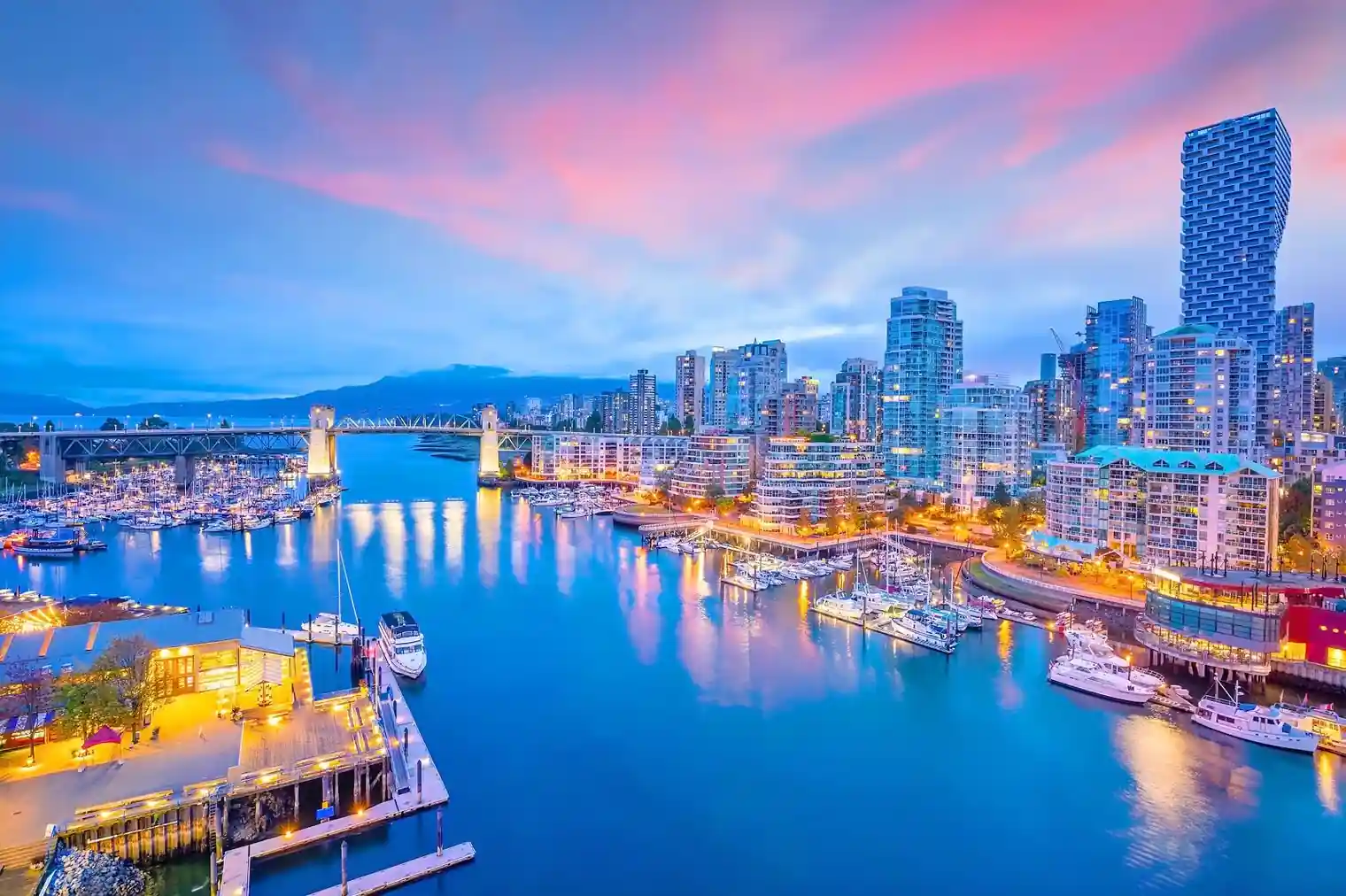
Why Vancouver Hosting Fits Football and Pacific Travel
Host City · Vancouver · Canada
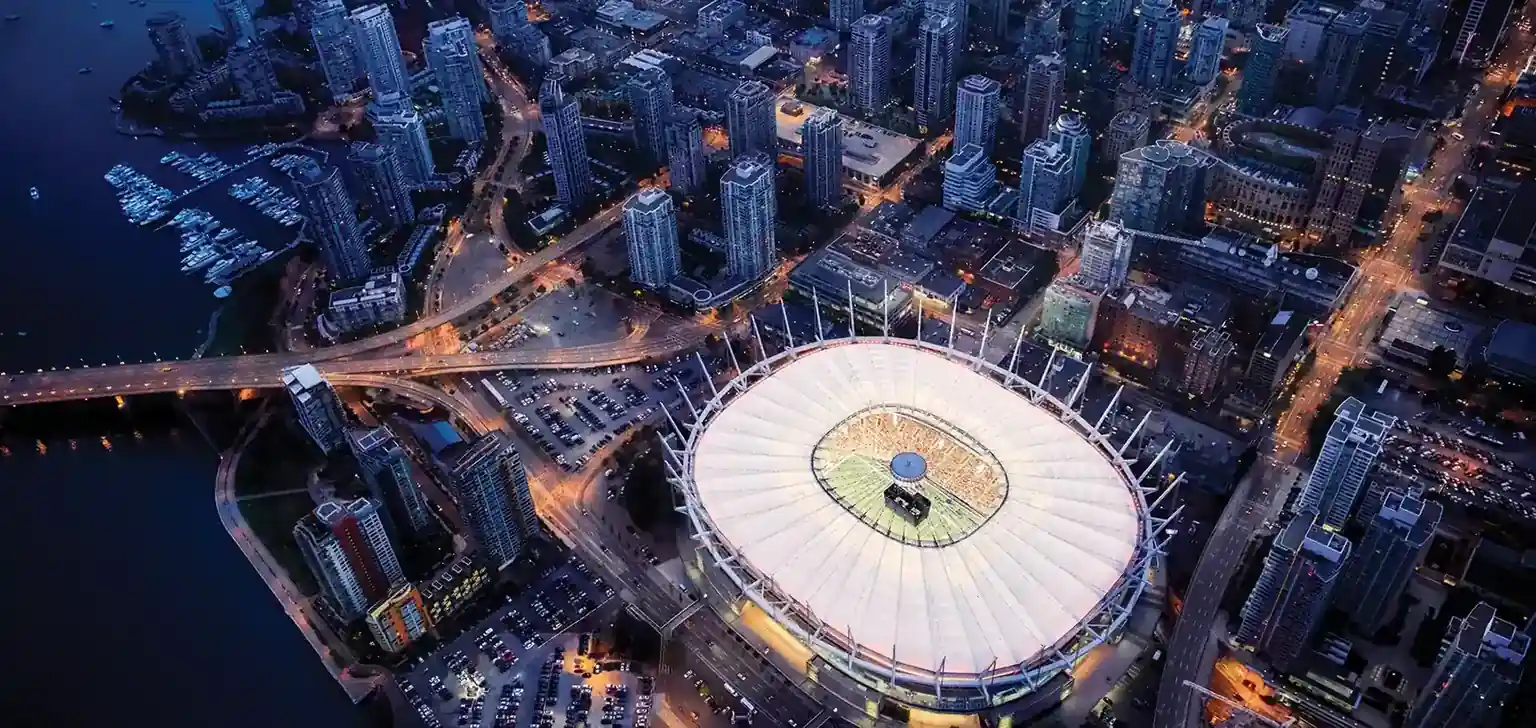
This page is a travel and football culture guide to Vancouver as a FIFA World Cup 2026 host city. Vancouver is hosting seven matches at BC Place Stadium — five group-stage games and two knockout-round ties — making it one of the busiest venues in the tournament. The city is located in British Columbia, Canada, on the Pacific coast. BC Place has a capacity of approximately 54,500 for football, and the stadium sits in the False Creek district, a 15-minute walk from downtown Vancouver.
What makes Vancouver work as a World Cup host city
Vancouver brings something to the 2026 World Cup that no other host city in the tournament can replicate: a Pacific-gateway identity rooted in genuine football history. BC Place is not a venue being introduced to big football for the first time. It hosted the 2015 FIFA Women's World Cup Final — Canada versus the United States — in front of a sold-out crowd, and it has been the home ground for Vancouver Whitecaps FC since the club joined Major League Soccer in 2011. Those two facts matter for supporters planning a trip because they signal a city that understands how to run a major football event at scale, not just a stadium rented for one summer.
The football culture that feeds into that history is genuine and diverse. Vancouver's population includes large communities from regions where football is the dominant sport — South Asia, Latin America, East Africa, Southeast Asia — and that mix gives the city's football scene a texture closer to a European or South American city than to many other North American hosts. Whitecaps matches draw multilingual crowds to BC Place regularly, and neighbourhood pitches across the city run amateur leagues year-round. When the World Cup arrives, the atmosphere in the surrounding streets will reflect those communities, not just the official fan zones.
BC Place Stadium: what to expect on matchday
BC Place is a retractable-roof stadium, which means weather is not a planning concern regardless of the June and July schedule. The roof was rebuilt in 2011 as part of a major renovation that also updated the playing surface and internal infrastructure. For visitors arriving from outside Canada, the combination of a covered stadium, a central location — the main entrance is on Beatty Street, steps from Pacific Central Station — and reliable public transit options makes logistics straightforward compared to stadiums in suburban locations elsewhere in the tournament.
Getting to BC Place is easiest by SkyTrain. The Stadium-Chinatown station on the Expo and Millennium lines places you at the stadium gates in under two minutes from the platform. From downtown hotels, the walk along Robson Street or through Yaletown takes 15 to 20 minutes and passes through areas with bars, restaurants and street-level activity that naturally build matchday atmosphere. Supporters should be aware that parking near BC Place is limited and expensive on matchday; transit or cycling are the practical options for the vast majority of attendees.
The seven-match schedule at BC Place
Vancouver's seven-match allocation covers the full tournament arc from group-stage openers through to Round of 16 knockout football. Canada face Qatar on 18 June and Switzerland on 24 June at BC Place, giving Canadian supporters two guaranteed home-city matches within the group stage. Additional group fixtures include Australia versus Türkiye on 13 June, New Zealand versus Egypt on 21 June and New Zealand versus Belgium on 26 June. The knockout round ties (Round of 32 and Round of 16) will be assigned to specific dates once the group stage concludes. That breadth of fixtures means visitors to Vancouver can attend multiple matches across a week or ten days without leaving the city, which is rare for a tournament spread across sixteen venues.
For supporters planning around the Canada matches specifically: both fixtures involve Canada playing in their home country, and ticket demand for those two dates is significantly higher than for other Vancouver group games. Secondary market prices for Canada versus Qatar and Canada versus Switzerland are expected to track well above face value, reflecting the national significance of Canada's tournament — this is Canada's first men's World Cup appearance since Mexico 1986.
Planning a trip to Vancouver around the World Cup
Vancouver in June and July is one of the best-weather periods in the city's calendar. Average daytime temperatures run between 18°C and 22°C (64°F to 72°F), with long daylight hours — sunset is typically after 9pm. The city is dramatically situated between the Coast Mountains and the Pacific Ocean, and on clear days the view from downtown toward the North Shore mountains is visible from street level. Visitors combining football with tourism have genuine options within easy reach: Stanley Park is a 400-hectare urban forest 20 minutes' walk from BC Place; Granville Island, reachable by ferry from the False Creek waterfront, offers a public market and independent dining; and Gastown, the city's oldest neighbourhood, is within walking distance of the stadium district.
Accommodation planning is critical. Vancouver has a well-developed hotel and short-term rental market, but the combination of peak summer season and World Cup demand is pushing rates for downtown properties significantly above normal levels, particularly for the Canada match dates. Supporters who have not yet booked should consider Burnaby or the North Shore as base options — both are connected to BC Place by SkyTrain within 30 minutes. For international visitors requiring a visa to enter Canada, the FIFA Pass linked to your ticket allows you to request a priority interview appointment at a Canadian consulate or visa application centre.
Frequently asked questions: Vancouver World Cup 2026
How many World Cup 2026 matches are in Vancouver?
Vancouver is hosting seven FIFA World Cup 2026 matches at BC Place Stadium: five group-stage games and two knockout-round ties (Round of 32 and Round of 16). It is one of the highest match allocations among the sixteen host cities in the tournament.
Does BC Place have a roof?
Yes. BC Place has a retractable roof, which means all seven World Cup matches will be played under cover regardless of weather conditions. The roof was rebuilt in 2011 as part of a major stadium renovation. The playing surface inside is artificial turf, which FIFA has approved for use at the 2026 tournament.
How do I get to BC Place from downtown Vancouver?
BC Place is served directly by Stadium-Chinatown station on the SkyTrain Expo and Millennium lines. From downtown, the walk along the False Creek waterfront or through Yaletown takes approximately 15 to 20 minutes. Driving to the stadium on matchday is not recommended — parking nearby is scarce and expensive. TransLink's SkyTrain runs late on match evenings.
Is Vancouver a good city to visit for more than one match?
Yes — Vancouver's seven-match schedule spans roughly three weeks, from 13 June to the Round of 16 in late June. Supporters can attend multiple fixtures without changing accommodation. The city's tourism infrastructure — restaurants, cultural attractions, public transport — is well developed, and the summer weather makes it one of the most comfortable cities in the 2026 host lineup for extended stays.
Do I need a visa to attend the World Cup in Vancouver?
Entry requirements depend on your nationality. Citizens of many countries require a visa to enter Canada; others qualify for an Electronic Travel Authorization (eTA), which can be obtained online for CAD $7. Supporters who have purchased tickets through FIFA's official channels receive a FIFA Pass, which provides documentation to support a visa or eTA application. Check the Government of Canada's official immigration website for the most current requirements for your passport.