Mexico VS Ecuador: The Night Mexico Finally Moved the Story Forward
By Jack Brown · —
How did Mexico VS Ecuador become Mexico's release valve?
Mexico VS Ecuador was supposed to be another test of whether El Tri could carry history without being trapped by it. Instead, it turned into a 2-0 win that felt lighter, sharper and more mature than most of Mexico's knockout nights in the modern era. After an hour-long weather delay pushed kickoff back at Estadio Azteca, Mexico began with more clarity than Ecuador, took the lead through Julian Quinones, finished the job through Raul Jimenez, and finally claimed the World Cup knockout victory that had eluded the program since 1986.
Quick Take
- Mexico beat Ecuador 2-0 at Estadio Azteca on 30 June 2026 in the World Cup round of 32.
- Kickoff was delayed by roughly an hour because of weather, and Mexico handled the wait better once the game finally began.
- Julian Quinones opened the scoring and Raul Jimenez added the clincher as Ecuador faded.
- The result sent Mexico into the last 16 and ended a World Cup knockout wait stretching back to the home tournament in 1986.
Why did Mexico VS Ecuador feel heavier than a normal round-of-32 tie?
Because Mexico were not just playing Ecuador. They were playing the usual conversation that follows them into every World Cup hosted or not hosted, every bracket that seems manageable on paper, and every knockout match that turns into a referendum on nerve. That burden has defined too many tournament exits. Mexico have often arrived at these nights with enough talent to win and too much emotional noise to look fully free. In Mexico City, with the Azteca carrying the old memory of 1986 on its walls and in its mythology, the pressure was obvious long before kickoff.
Ecuador were a difficult opponent for exactly that reason. They came in with enough athleticism to make the game frantic, enough defensive pace to close space behind the line, and enough recent credibility to treat the occasion as football rather than folklore. Their World Cup had already included a significant result against Germany, and Sebastian Beccacece's team looked like a side comfortable without the ball for stretches as long as their counterattacks stayed alive. For Mexico, that meant the match was unlikely to be won by atmosphere alone. It had to be won by decision-making.
That is what makes the result feel more meaningful than a routine home win. Mexico did not simply ride the crowd and survive. They handled a difficult emotional script, absorbed the interruption of a weather stoppage, and returned to the pitch looking less anxious than the team across from them. The scoreline mattered. The manner of the scoreline mattered more.
How did the weather delay change Mexico VS Ecuador?
The delay came before the match ever truly began, which changed the emotional tone more than the tactical board. Long pre-kickoff waits can flatten the edge of a knockout night, especially for the host nation that has spent all day building toward one emotional release. Mexico handled the dead time better. Instead of looking overcharged when the game finally started, they looked locked in. Ecuador, by contrast, never fully shook off the sense that the evening had arrived in a strange order: hotel noise, traffic, storm, late bus, then a full Azteca demanding instant calm.
Once play finally began, Mexico were the side with the cleaner rhythm. They pressed with more conviction and attacked the box with fewer extra touches. The midfield passed forward earlier. Wide players stopped treating every attack as a crossing exercise and started driving the interior lanes instead. That difference changed the feel of Mexico VS Ecuador almost immediately. Ecuador still had enough structure to compete, but the initiative no longer felt evenly shared. Mexico looked like the side that had used the wait to simplify the night rather than complicate it.
There is a mental side to weather delays that statistics do not capture well. Players have to hold concentration, keep their muscles warm, and resist letting anticipation turn into static. Veteran sides and veteran coaches tend to manage that awkward space better. Javier Aguirre's imprint showed there. The version of Mexico that emerged after the wait looked coached not just tactically but emotionally. They started with one clear goal: attack the game before the stadium's tension had time to curdle into anxiety.
What did Julian Quinones give Mexico that the game had been missing?
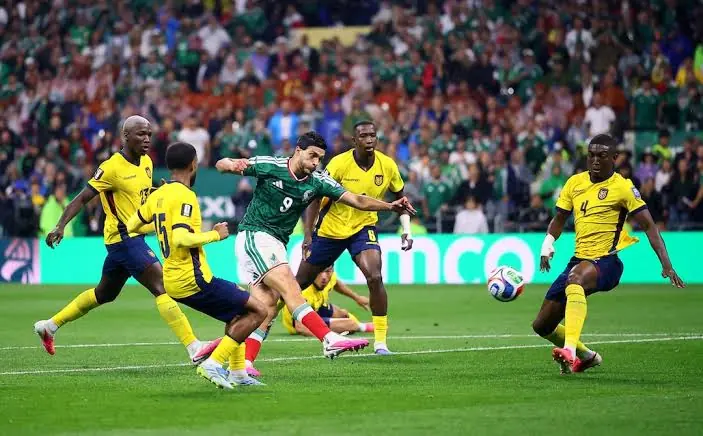
He gave the match a decisive first action. That is different from simply scoring the opening goal. Plenty of forwards score first and still feel like passengers in the broader pattern of the match. Quinones changed the geometry of Mexico VS Ecuador because his movement gave Mexico a target that asked Ecuador's back line a more uncomfortable question. Should they step and risk the channel, or hold and let him receive on the half-turn? Once Mexico began feeding him earlier, the attack stopped looking like a set of disconnected advances and started looking like a plan.
That mattered because Ecuador had defended the first part of the night with good collective spacing. Their line moved together, their midfield screened second balls, and Mexico were having too many touches around the penalty area without turning them into clean finishes. Quinones shortened the chain. He attacked the seams sooner. He gave Mexico a forward who could receive under pressure without killing the move, and when the chance arrived he finished it with the kind of directness that home sides often need in tense knockout matches.
His goal also changed the emotional temperature in the Azteca. Before it, the crowd was carrying the old fear of what another anxious knockout night might become. After it, the crowd finally sounded like a crowd backing a team that believed its own shape. That matters more than outsiders sometimes admit. Home pressure can suffocate a side when the score is level. It can become fuel once the first goal arrives. Quinones gave Mexico that turn.
Why did Raul Jimenez's finish matter beyond the scoreline?
Because the second goal ended the old Mexican habit of leaving knockout matches half-open. Too many El Tri exits over the years have included some version of the same complaint: enough control to dream, not enough ruthlessness to close. Jimenez's goal mattered because it removed the lingering dread that Ecuador might steal a final sequence, a final free kick, a final deflection. It was the goal that allowed Mexico to experience the final minutes as confirmation rather than suspense.
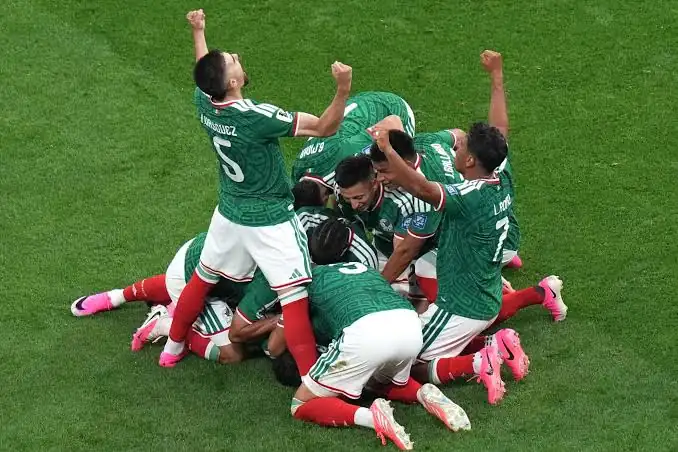
There was also a symbolic quality to it. Jimenez has lived through the modern cycles of Mexico's national-team pressure. He understands how quickly a composed night can turn into a national self-interrogation if the margin stays thin. By scoring the second, he did more than reward Mexico's better second half. He changed the ending from fragile to authoritative. That is why the goal landed with such force in the stadium. It was not only celebration. It was release.
The best knockout teams know when to keep hunting after taking the lead. Mexico often looked less certain about that in previous tournaments, especially when protecting a one-goal advantage felt psychologically safer than pushing for a second. Against Ecuador, they were bolder. Jimenez's finish was the proof that the bolder choice was the right one.
What went wrong for Ecuador once Mexico took over?
Ecuador's biggest problem was that their most useful phase never became a platform. They defended well enough early to imagine a different sort of night, one in which Mexico grew impatient and the spaces for transition widened. But the delayed buildup seemed to suit Mexico more, and once El Tri settled into a more aggressive passing rhythm, Ecuador started chasing more of the game than controlling it. Their distances stretched. The outlets that had looked available became contested. Their attacks arrived in shorter bursts and with less support around the second ball.
That put even more weight on their back line, and eventually the margin collapsed. The late sending-off for Piero Hincapie was part of that story rather than a separate event. Red cards in knockout matches usually come from desperation, from defenders being forced into recovery actions they no longer fully own. Ecuador were not reckless for most of the night. They were gradually pushed into less comfortable defending, and once they fell behind the match demanded more risk than they were set up to absorb.
None of that should erase what Ecuador brought into the tournament. This was a side with genuine pace, serious defensive talent and enough tactical discipline to trouble stronger teams. But Mexico VS Ecuador showed the limit of their margin when the emotional center of the match moved away from them. Once Mexico took command of the atmosphere and the scoreline, Ecuador did not find a second script.
What do the key numbers from Mexico VS Ecuador tell us?
The scoreline is clean, but it does not describe a casual win. Mexico needed patience before they needed finishing. The delay number matters because it shaped the emotional runway of the night before a ball was kicked. The waiting period drained some of the usual pre-match certainty and demanded that both teams restart their concentration from an awkward place. Mexico did that better, and the opening half-hour showed it.
Then there is the 1986 number, which carries more emotional weight than any passing total or field tilt metric ever could. Mexico have produced talented teams since then, and several were good enough to believe they should have won a knockout tie. None actually did. The distance between being competitive and actually breaking the line can become psychological if it lasts long enough. That is why this victory will live differently in Mexico's football memory. It did not just advance a team. It interrupted a pattern.
Finally, the advancement line matters strategically. Mexico are into the last 16, where the winner of England vs DR Congo awaits. That does not mean the draw suddenly becomes easy. It means the old ceiling has been pushed one stage further out. In World Cup terms, that is a major shift. Tournament narratives do not change because a country starts dreaming bigger; they change because one result makes a bigger dream reasonable.
Can Mexico use this result to rewrite the old fifth-game story?
They have at least earned the right to ask the question without irony. For years the old "quinto partido" conversation sat over Mexico like a reflex. Every promising World Cup quickly became about whether the round-of-16 barrier could finally be broken, and because the barrier was never broken, the conversation became heavier each cycle. What changed in Mexico VS Ecuador was not that the story vanished. What changed is that the story moved. Mexico are no longer stuck proving they can survive the first knockout jump. They already did it.
That matters for the next match because pressure evolves. The burden of ending the drought was unique. It was tied to memory, symbolism and the home tournament. The pressure of the next round will be different. It will be about tactical quality and execution, not about dragging four decades of commentary onto the pitch again. That alone can make a team looser. Mexico looked freer after the second goal against Ecuador than they have in many recent World Cup knockouts. If they can carry even part of that freedom into the next tie, they will be more dangerous than the old version of the storyline allowed.
There is still a caution here. One result does not automatically transform a national side into a different class of tournament team. Mexico still need to show they can create enough against elite defenses and survive matches that are tactically more layered than this one became. But Mexico VS Ecuador did something essential: it replaced dread with evidence. That is how national-team narratives actually change.
Who stood out in Mexico VS Ecuador?
Quinones and Jimenez will own the headline, and rightly so, because knockout football always remembers the scorers first. But the stronger answer is that Mexico's best performers were the players who made the game simpler after the delay. The midfield moved the ball earlier. The full-backs chose their moments with more care. The collective rest-defense behind the attack kept Ecuador from turning every Mexican push into a vulnerable transition. This was one of those wins where the finishing made the result visible, but the calmer structure underneath made it possible.
For Ecuador, Moises Caicedo remained the player who most clearly carried the weight of the contest. Even when the match tilted away from his team, he kept trying to connect the defensive phase to something constructive. But Ecuador never found enough support around him once Mexico pushed the game into a more direct lane. Hincapie, meanwhile, experienced the harsher side of knockout football: a defender can play a solid hour, one chase later, be remembered for the final intervention.
Aguirre also deserves mention. Mexico's return from the stoppage looked like the work of a coach who had used the pause well. The team came back with a clearer plan and a better emotional temperature. In a match where the interruption could easily have scattered both sides, Mexico looked organized by intention rather than improvisation.
What comes next for Mexico and Ecuador after Mexico VS Ecuador?
Mexico go forward with a very different sort of pressure. The next opponent will be tougher in different ways, but the old national conversation has softened because the team finally answered the first knockout question. That gives the next round a cleaner frame. Mexico can prepare for a football problem rather than a symbolic one. For a host nation, that is a gift.
Ecuador leave with disappointment, but not embarrassment. They were organized for long stretches, they made Mexico work, and they arrived at the tournament with enough quality to show that their development line remains strong. The frustration will come from how the night shifted after the delay and how little room they had to recover once the first goal landed. Still, this should feel more like a missed opportunity than a collapse.
As for Mexico, the larger conclusion is straightforward. Mexico VS Ecuador will be remembered not because it was the most beautiful performance of the tournament, but because it was one of the most emotionally intelligent. Mexico accepted the nerves, lived through the delayed buildup, and still played the decisive part of the match with more clarity than they have shown in too many previous World Cups. In knockout football, that is what progress often looks like before it looks glamorous.
For the full knockout bracket and the next-round dates, see the 2026 World Cup schedule. For Mexico's broader tournament setup, see the Mexico World Cup Squad 2026 and the earlier report on Mexico vs Korea Republic.
FAQ
Who won Mexico VS Ecuador at World Cup 2026?
Mexico beat Ecuador 2-0 at Estadio Azteca on in the World Cup round of 32. Julian Quinones scored first and Raul Jimenez added the second.
Why was Mexico VS Ecuador such a big night for El Tri?
Because it gave Mexico their first World Cup knockout win since the 1986 tournament, also hosted in Mexico. That long wait had shaped every national-team conversation around knockout football.
How long was the weather delay in Mexico VS Ecuador?
Kickoff was delayed by roughly an hour because of weather. Once the match finally began, Mexico looked more settled and attacked the game with greater clarity.
What happened to Ecuador late in the match?
Ecuador fell behind, struggled to rebuild their attacking rhythm, and then lost Piero Hincapie to a red card late, which removed any realistic route back into the tie.
Who do Mexico play next after beating Ecuador?
Mexico advance to the World Cup last 16, where they will meet the winner of England vs DR Congo.