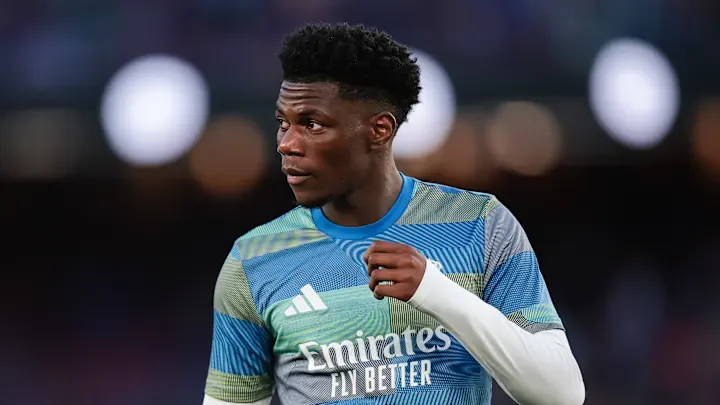
Tchouameni and Cherki Reshape France for 2026
·
Why do France suddenly look deeper, younger and more flexible?
Aurélien Tchouaméni, born January 27 2000, plays defensive midfield for Real Madrid and is the structural anchor of France's squad — confirmed in Didier Deschamps's official 2026 World Cup squad announcement. France have never lacked famous names, but the current cycle feels more interesting because the hierarchy is shifting without losing its spine. That is where Tchouaméni becomes the central figure. Didier Deschamps's official France squad for the 2026 World Cup confirms Aurélien Tchouaméni as a first name in the framework, and that detail matters beyond simple selection. He is no longer just one powerful midfielder among several. He has become the player who makes France look structurally serious. Around him, the emergence of Cherki and, more specifically, Rayan Cherki gives the squad a different kind of imagination. Put the two stories together and France start to look less like a team protecting an old era and more like one carefully redesigning itself for a new one.
Tchouameni is now the part Deschamps cannot fake
The easiest mistake with France is to begin with the forwards, because the shirt always comes with attack-first glamour. Yet the more important football question often sits behind the headlines. Tchouameni is the piece that keeps the rest connected. In Deschamps's squad building, he offers the cleanest balance between defensive coverage, ball recovery and forward security. France can attack with flair only because someone is constantly repairing their shape, absorbing transitions and giving possession a trustworthy first platform. That role is not decorative. It is one of the reasons France remain credible whenever tournament football gets tighter and spaces get smaller.
That credibility matters even more in an expanded World Cup, where the margin for waste narrows over a longer tournament. A 48-team field and more complex travel rhythm reward players who can keep a side calm between moments of chaos. Tchouameni does that naturally. He covers the channel behind adventurous full-backs, protects central defenders when the line is stretched and gives France an exit route when pressure turns ugly. Deschamps has historically valued exactly that kind of reliability. The glamour around France may still belong to the finishers, but the competitive floor often belongs to the midfielders who stop the team from becoming careless.
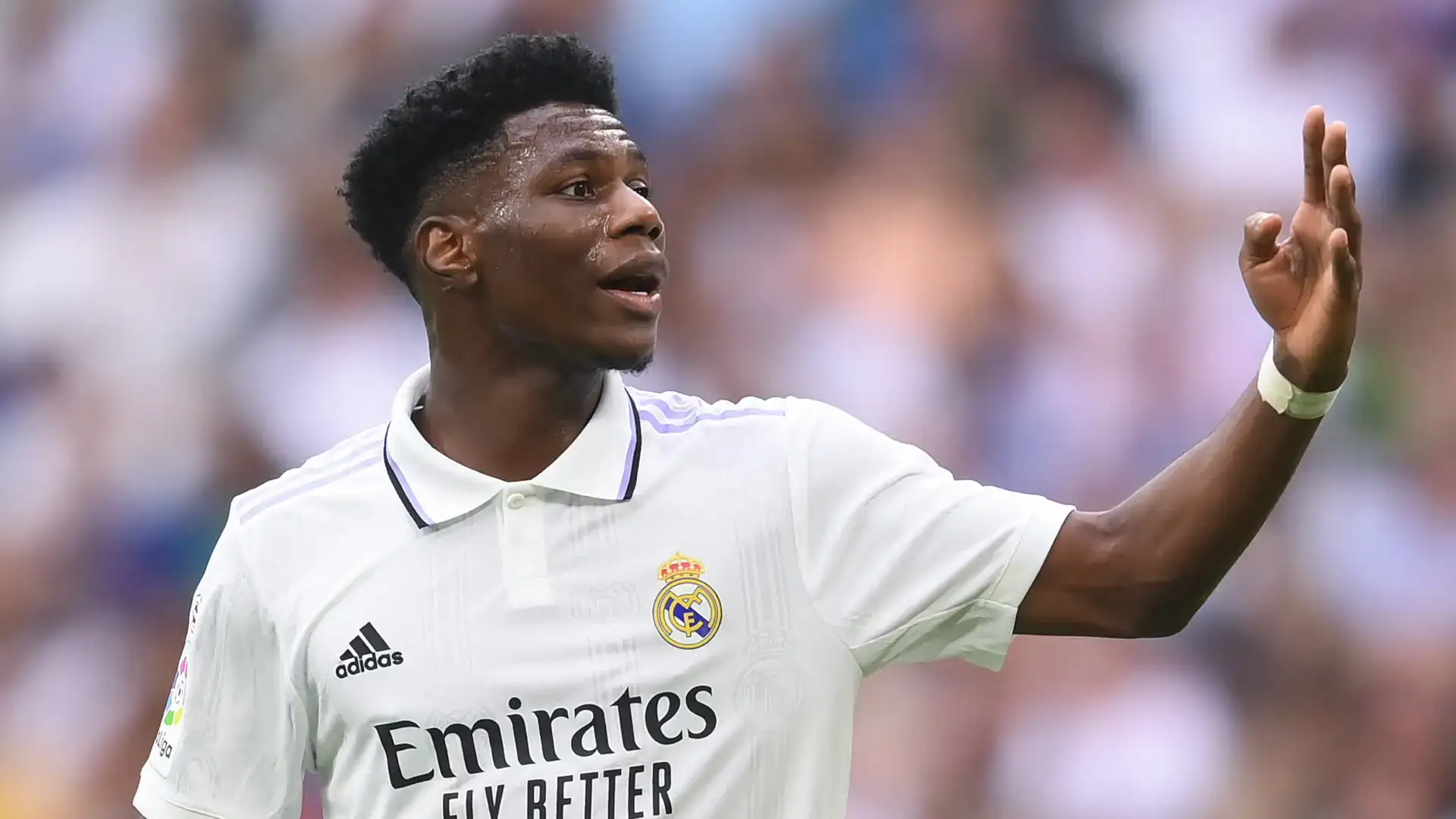
This is also why tchouameni matters tactically rather than symbolically. France do not need him only to tackle. They need him to choose the moment of acceleration. If he plays the first vertical pass too soon, the side can become stretched. If he delays it intelligently, the wide runners receive the ball in better conditions and France arrive higher with more numbers around the action. That decision-making is what separates him from being just another strong international midfielder. It turns him into a tempo manager inside a squad that otherwise risks leaning too heavily on impulse.
Cherki changes the texture of the squad
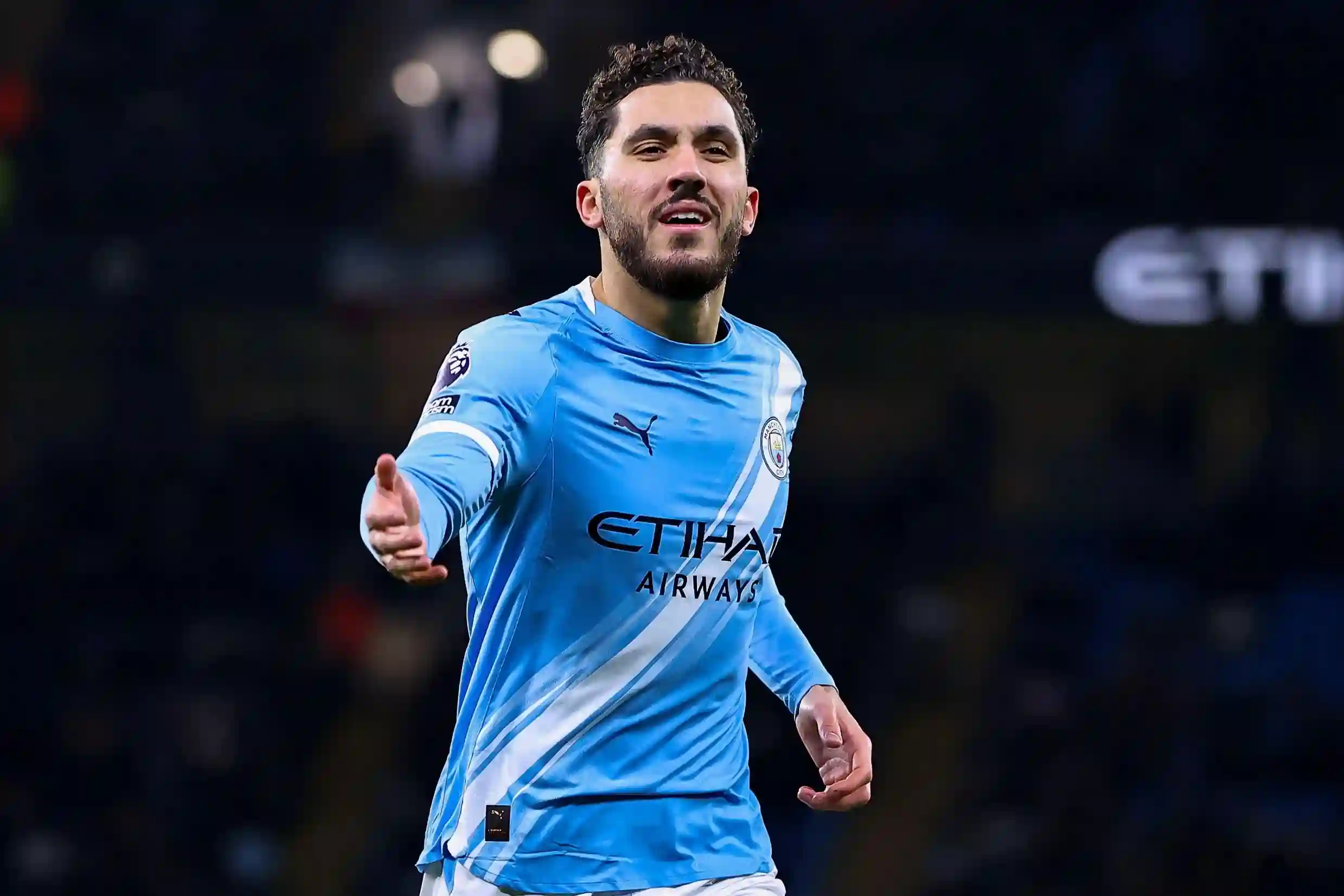
If tchouameni is about order, cherki is about possibility. The official French Football Federation player page for Rayan Cherki shows how quickly his international story has moved: by June 2026 he had already reached five senior caps and scored his first France goal, all while carrying the label of an attacking midfielder whose passing imagination can alter the shape of a match. That matters because France have sometimes looked direct before they looked inventive. They could overwhelm teams with speed and star power, but not always with subtle creation between the lines. Cherki changes that conversation.
More specifically, rayan cherki widens the menu. He can receive in crowded pockets, turn inside to combine, slide passes across the last line and force defenders to respect angles they would rather ignore. He does not need ten touches to prove he belongs in the move. That makes him useful in exactly the kind of tournament games France often face against compact opponents. When matches slow down and the box fills with bodies, brute force alone stops being enough. A player who can spot an unusual lane or disguise the final ball becomes disproportionately valuable.
The point is not that cherki instantly becomes the new centre of the team. It is that he gives Deschamps a type of option France did not always possess in such a concentrated way. Teams preparing for France now have to think about more than pace in transition or power in duel zones. They have to consider a player who may not dominate the game physically, but can change it with invention. In modern knockout football, that kind of alternative path matters. Sometimes the best teams are not the ones with the most stars, but the ones that can solve the most different game states. Cherki gives France another solution.
Why do Rayan Cherki and Tchouaméni make sense together?
The most interesting part of this story is not choosing between them. It is seeing how the two profiles complement each other. Tchouameni reduces the risk of playing a freer creator. Cherki increases the reward of having such a solid base behind him. One gives France positional discipline and recovery strength; the other gives them more imagination once they reach the dangerous line. That pairing is important because it helps France avoid a common trap in squad evolution. Many national teams either stay loyal to safety for too long or throw themselves into novelty without enough ballast. France now look capable of carrying both.
This matters in practical match terms. If France need control, tchouameni is the player who secures the centre and protects the rest defence behind the ball. If they need incision, cherki can enter or drift into the spaces where a single disguised pass changes the entire attack. The combination means Deschamps does not have to pick one personality for the team and live with its limits. He can assemble a team that controls the middle of the pitch without surrendering the ability to surprise opponents late in the move.
There is also a developmental message here. France have spent years producing elite athletes and elite attackers, but the current mix suggests an even healthier pipeline: midfield intelligence, technical control and creative flexibility are arriving together. That is what makes the presence of rayan cherki in the senior frame more than a novelty call-up. He is part of a broader signal that the next French side may be a little less dependent on familiar icons and a little more comfortable spreading responsibility across different creative zones.
France's squad depth is starting to feel strategic again
FIFA's squad announcement also underlined another truth: France are still deep enough to survive internal competition without losing identity. Deschamps can rotate profiles, manage minutes and prepare for different opponents without the whole structure falling apart. But depth alone is not automatically an advantage. Depth only matters if the relationships make sense. That is why the tchouameni-cherki thread is so revealing. It shows France building connections rather than simply collecting talent. The squad is not just famous; it is becoming more logically assembled.
That strategic feel will matter when World Cup qualifying pressure becomes tournament pressure. The outside conversation about France often starts from expectation, not detail. They are judged as one of the obvious contenders almost by habit. Yet the difference between a good France and a truly dangerous France is usually tactical clarity. Can they control the midfield after a big emotional swing? Can they unlock a low block without overcommitting? Can they maintain pressing intensity without opening the centre? These are not glamorous questions, but they decide deep tournament runs. Tchouameni addresses the control side of that equation. Cherki addresses the invention side.
It also helps that both stories feel current rather than theoretical. Cherki is not being discussed as a far-off academy dream. The federation's own records already show him collecting senior appearances and scoring for France. Tchouameni is not being imagined into responsibility; FIFA's official selection already places him inside the core of the national-team picture. That immediacy is important for SEO headlines and, more importantly, for honest football analysis. The article is not trying to project a fantasy France. It is reading the squad signals already in front of us.
What does this mean for France at World Cup 2026?
The wider conclusion is simple: France now look better equipped to win in more than one way. In a long tournament, that may be the single most important advantage. Tchouameni gives them a serious midfield anchor who can make the side resistant under stress. Cherki gives them a creator who can loosen tight games and add freshness to the final third. Rayan Cherki, specifically, represents more than youth hype; he represents a new attacking shape that France can choose without abandoning the discipline Deschamps still trusts.
That does not guarantee the title, and it does not remove the usual risks around form, injuries and chemistry. But it does sharpen the outline of a team that is moving in the right direction. The balance between structure and inspiration has always defined the best French tournament sides. When they lean too far toward chaos, they become oddly fragile. When they lean too far toward caution, they become easier to read. With tchouameni holding the centre and cherki expanding the creative map, France appear closer to a healthy midpoint.
So the most accurate way to read the current France story is not through nostalgia or celebrity. It is through function. Tchouameni is becoming the organiser who gives everything else permission to breathe. Cherki is becoming the technician who gives France extra ways to punish caution. And rayan cherki, as his early senior numbers continue to grow, may end up being one of the clearest signals that the next French World Cup team will not simply inherit its status. It will have earned a new version of it.
FAQ
What club does Tchouaméni play for?
Aurélien Tchouaméni plays for Real Madrid. He joined the club from AS Monaco in June 2022 for a fixed fee of €80 million, with potential add-ons that could take the total to approximately €100 million — one of the largest fees ever paid for a defensive midfielder.
What group is France in at the 2026 World Cup?
France are in Group I at the 2026 World Cup, facing Senegal, Norway and Iraq.
Where was Tchouaméni born?
Aurélien Tchouaméni was born on January 27 2000 in Rouen, France. He developed through the youth academy at Girondins de Bordeaux and then AS Monaco before his high-profile move to Real Madrid.
Who is Rayan Cherki?
Rayan Cherki is a young French attacking midfielder born on August 17 2003. Regarded as one of the most talented young players to emerge from French football in years, he plays for Paris Saint-Germain and has established himself as a key creative figure in France's evolving squad.
Has France won the World Cup?
Yes. France have won the FIFA World Cup twice — in 1998 on home soil under Aimé Jacquet, and in 2018 in Russia under Didier Deschamps. They reached the 2022 final in Qatar but lost to Argentina on penalties.