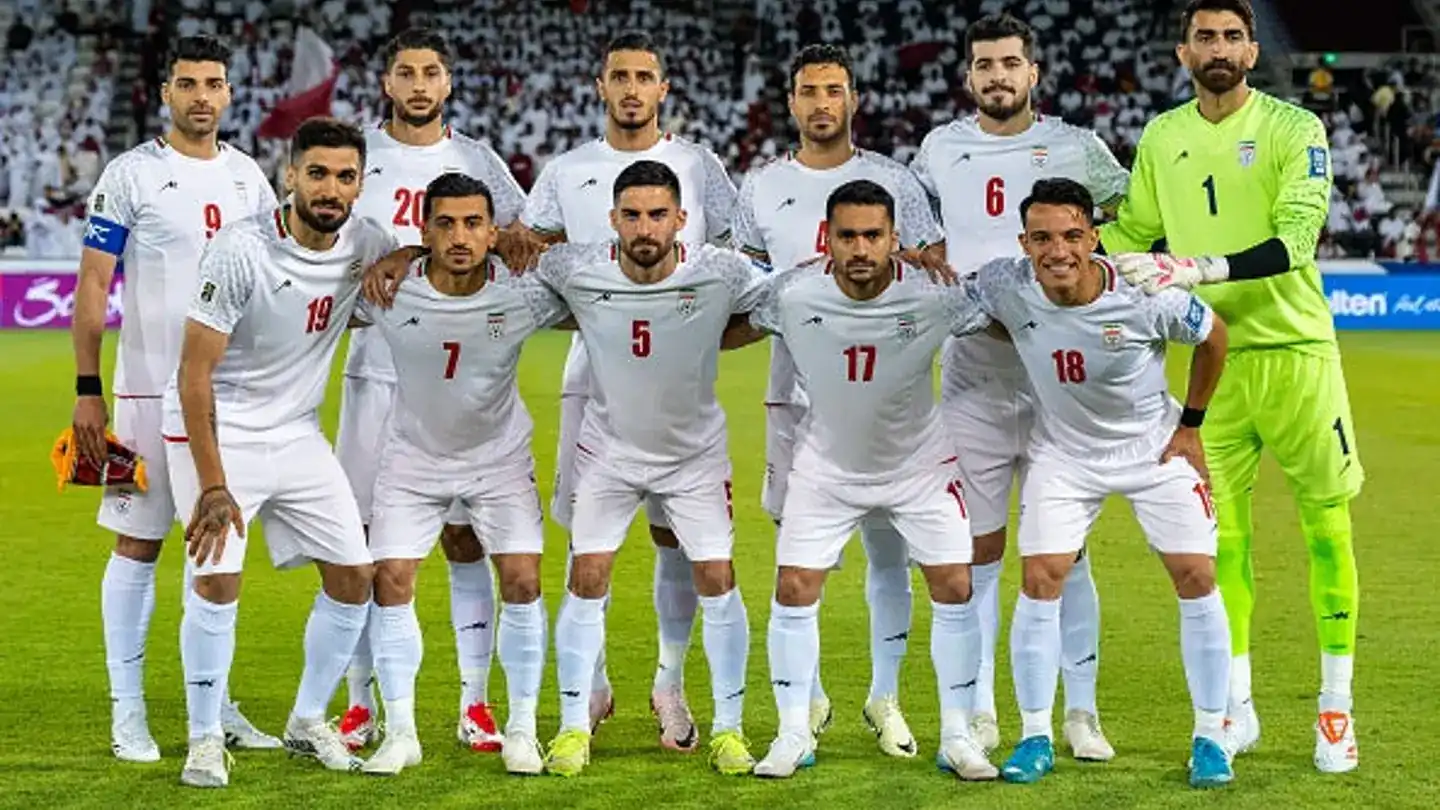
Iran World Cup Ambition Now Meets a Bigger Tournament Map
·
Iran at the 2026 World Cup: Iran are in Group G, facing Belgium (June 21), New Zealand (June 15) and Egypt (June 26). Mehdi Taremi captains a side appearing at the World Cup for the seventh time. Iran have never won a knockout-stage match across six previous appearances.
Why Team Melli arrive with a real chance to reset the conversation
The latest iran world cup story feels different because it blends continuity with opportunity. FIFA confirmed that IR Iran qualified for the 2026 finals on 25 March 2025 after a 2-2 draw with Uzbekistan in Tehran, with Mehdi Taremi scoring twice to complete the comeback. That result mattered beyond the mathematics. It showed a side that still knows how to turn pressure into qualification points, and it locked in a seventh World Cup appearance for one of Asia's most consistent national teams.
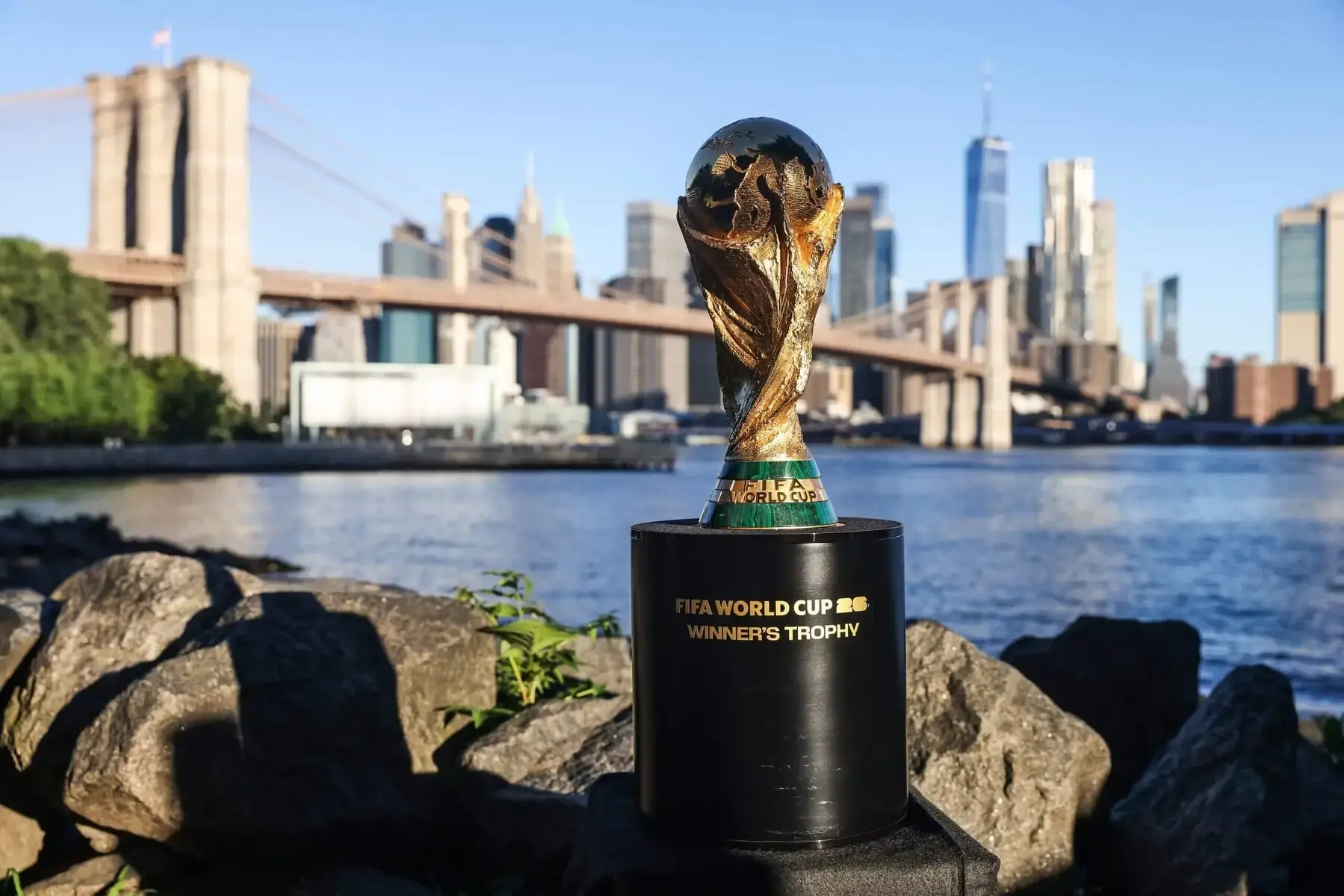
There is also a larger strategic angle. FIFA's qualifying explainer shows that Asia received eight direct berths plus a play-off path for the expanded event, which changes how strong teams measure themselves. Iran no longer enter a 32-team tournament as one outsider among a few Asian representatives. They enter a 48-team field where depth, squad management and match rhythm may matter even more. That broader map gives Team Melli a clearer route to turn strong regional pedigree into a more stable global performance.
History adds urgency. FIFA's Iran team profile notes that this will be the country's seventh World Cup and that Iran have never yet reached the knockout rounds. That makes the next step obvious. The badge, the supporter base and the attacking talent already command attention, but the real target is no longer just participation. It is using the group stage with more authority, handling momentum better across three matches and arriving with a plan that can survive adversity rather than simply react to it.
That is where the world cup 2026 schedule becomes part of the story rather than a background detail. FIFA's official schedule hub frames the tournament from 11 June to 19 July 2026 across 104 matches, and for teams like Iran the spacing of those early fixtures is crucial. Travel, recovery windows and the rhythm of the group stage can either sharpen a disciplined side or expose one that relies too heavily on isolated moments. For Iran, reading the world cup 2026 schedule correctly may be almost as important as reading the opponent, because the next breakthrough will probably come from structure as much as talent.
That is why the current iran world cup discussion feels more serious than nostalgic. Qualification is already secure, expectations are now more demanding and the expanded format gives Team Melli a practical chance to chase their best tournament run yet. The challenge is to convert that opening into something measurable when the schedule starts to tighten and every match asks whether this generation can move beyond familiar ceilings.
Iran World Cup 2026: Group G Schedule and Opponents
The draw placed Iran in Group G alongside Belgium, Egypt and New Zealand — a mix that offers both a realistic path to the next stage and one genuinely dangerous opponent. Every one of Iran's three group matches is in the United States, a fixture detail that carries unusual weight given the political climate between the two countries. FIFA confirmed the schedule despite concerns raised by Iranian officials, and Iran stated they would participate.
| Date | Match | Venue |
|---|---|---|
| Iran vs New Zealand | SoFi Stadium, Los Angeles | |
| Belgium vs Iran | SoFi Stadium, Los Angeles | |
| Egypt vs Iran | Lumen Field, Seattle |
Iran open against New Zealand on June 15 at SoFi Stadium in Los Angeles, then face Belgium on June 21 — also at SoFi Stadium — before closing the group stage against Egypt on June 26 at Lumen Field in Seattle. Belgium are the most formidable obstacle: a squad ranked inside the global top 15 with De Bruyne-era experience and a deep defensive structure. Egypt, meanwhile, will arrive motivated by the same regional pride that drives Iran, and New Zealand represent a competitive, organized side who rarely gift opponents easy points.
What Iran Needs to Reach the Round of 16 for the First Time
In a 48-team tournament each group delivers three matches, and the top two teams advance. Iran's best realistic scenario involves winning the opener against New Zealand to build early momentum, then limiting damage against Belgium before targeting a decisive result against Egypt. Head coach Amir Ghalenoei has emphasized defensive solidity built on rapid counter-attacks — a structure that served Iran well through qualifying and one that suits the compressed group-stage timeline. At the 2022 Qatar World Cup Iran showed exactly what that model can produce, coming from behind to beat Wales 2-0 with two late goals. Repeating that kind of clinical efficiency across three matches in 2026 would put them in genuine contention for a historic first knockout appearance.
Iran World Cup History: Seven Appearances and the Record That Still Stands
Iran first appeared at the World Cup in 1978 before a long absence, then returned for a stretch of five tournaments from 1998 to 2018. The 2026 edition is their seventh overall and their fourth consecutive appearance — a run that began at Brazil 2014 and marks a new national record for successive qualifications. Despite that consistency, Iran's all-time group stage record of three wins, four draws and eleven losses captures the recurring difficulty of converting strong qualifying form into tournament results. They have scored 13 goals and conceded 31 in their World Cup group matches across those six prior campaigns, numbers that tell a story of competitive spirit weighed against structural limitations.
The most recent chapter added something positive. At Qatar 2022, Iran started with a defeat to England but then produced one of the tournament's more dramatic recoveries, beating Wales 2-0 after being held scoreless deep into the second half. Two late goals — scored within six minutes — showed a squad capable of mental resilience even when the game seemed to be slipping away. They ultimately exited in the group stage after losing to the United States, but the Wales result demonstrated the attacking quality that Ghalenoei's side can produce under pressure.
Iran's Greatest World Cup Moment: The 1998 Win Over the United States
The defining iran world cup moment in terms of cultural weight arrived in France in 1998. Iran faced the United States in Lyon in a match loaded with political symbolism — the two countries had no diplomatic relations, and the game attracted global attention that extended well beyond football. Iran won 2-1. Hamid Estili headed in the opener in the 40th minute and Mehdi Mahdavikia added a second in the 84th. The US pulled one back through Brian McBride, but Iran held on. It remains the single result that most supporters point to when describing what the team is capable of, and the story of that match is still told to younger generations of Iranian players as evidence of what the badge demands at the highest level.
Mehdi Taremi, Amir Ghalenoei and the Iran Squad for 2026
Iran's captain and leading threat is Mehdi Taremi, who moved to Olympiacos in Greece ahead of the 2025-26 season after his stint at Inter Milan. The 33-year-old was the engine of Iran's qualifying campaign, scoring 10 goals across the AFC third-round fixtures and providing the two late goals — in the 52nd and 83rd minutes — that sealed Iran's qualification against Uzbekistan in March 2025. No other player in Iran's qualifying run matched his combination of goals and clutch timing. Veterans Alireza Beiranvand in goal and winger Alireza Jahanbakhsh provide experience around him, while Saman Ghoddos offers composure in midfield. The status of Sardar Azmoun, who scored eight goals in qualifying, was uncertain heading into the tournament due to off-field controversy, adding a subplot to how Ghalenoei assembles his final attacking shape. For a squad built around structure and transitions, the availability of their first and second strikers could prove the most consequential question of their entire 2026 campaign.
Frequently Asked Questions
When does Iran play at the 2026 World Cup?
Iran (Team Melli) have three group-stage fixtures: vs New Zealand on 15 June at SoFi Stadium, Los Angeles; vs Belgium on 21 June at SoFi Stadium, Los Angeles; and vs Egypt on 26 June at Lumen Field, Seattle. All three matches are played in the United States.
What group is Iran in at the 2026 World Cup?
Iran are in Group G alongside Belgium, Egypt and New Zealand. It is Iran's seventh World Cup and their fourth consecutive appearance — a national record for successive qualifications.
Where does Iran (Team Melli) play their 2026 World Cup fixtures?
All three of Iran's group-stage matches take place in the United States: two at SoFi Stadium in Los Angeles ( and ) and one at Lumen Field in Seattle ().
Has Iran ever reached the World Cup knockout rounds?
No. Despite seven World Cup appearances, Iran have never advanced past the group stage. Their best-known result is a 2-1 win over the United States at France 1998. The 2026 tournament gives Team Melli their best chance yet to break that record.