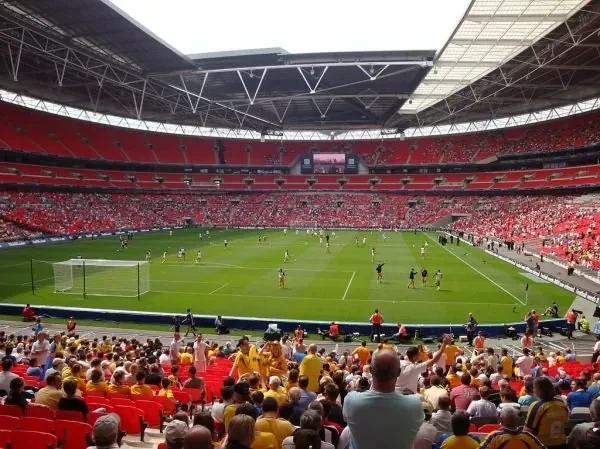
Why World Cup 2030 Already Feels Like Football's Most Symbolic Tournament
World Cup 2030 · Global
Six host nations and a long runway make this cycle different from the start.
World cup 2030 is still years away, but it already carries a shape unlike any tournament before it. FIFA formally appointed Morocco, Portugal and Spain as the main hosts in December 2024, while Argentina, Paraguay and Uruguay were awarded one centenary celebration match each. That means the competition is being framed not only as the next World Cup, but as a 100-year bridge back to the first edition in 1930. Before a ball is kicked, the event already has a narrative that is larger than one summer or one country.
The obvious talking point is scale. FIFA's official 2030 overview says the tournament will connect three continents and six countries, with Morocco, Portugal and Spain acting as the main hosts and South America opening the story through those centenary fixtures. That structure changes how supporters will think about travel, identity and tournament mood. It also means world cup 2030 is likely to feel less like a single national showcase and more like a football relay between generations. Montevideo will matter because it honors where the competition began; Madrid, Lisbon and Moroccan host cities will matter because they carry most of the month-long sporting weight.
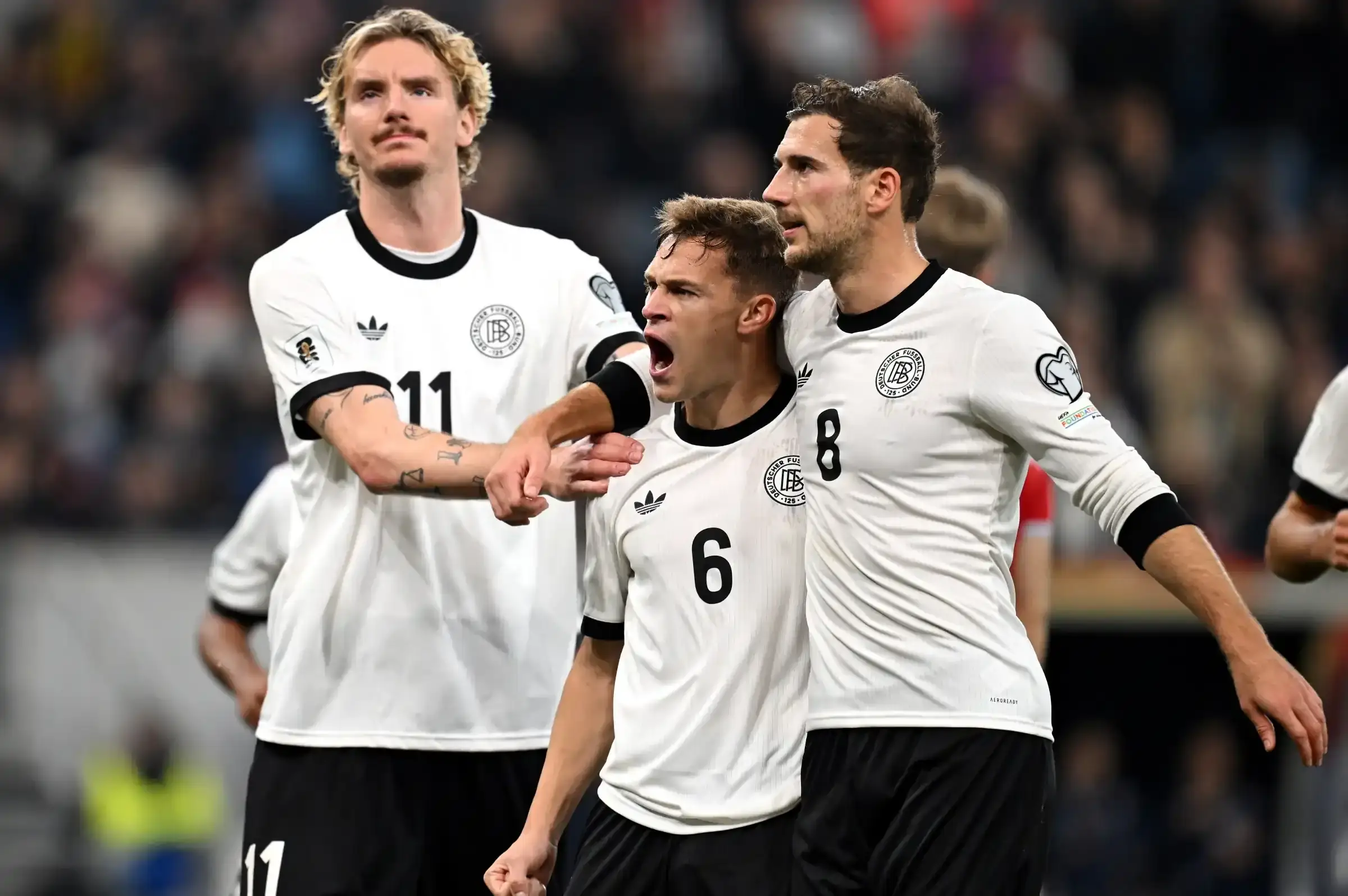
The other key layer is time. FIFA approved the men's international match calendar for 2025 to 2030 with recurring windows in March, June, late September or early October, and November. Those fifa matchday blocks are where the tournament story will steadily take shape. They will hold the qualifiers, the tactical experimentation and the first real sense of which teams can manage travel and rhythm across a modern World Cup cycle. Because world cup 2030 already spans multiple host cultures and long-haul supporter planning, each fifa matchday now feels like an early chapter rather than a disconnected break in the club season.
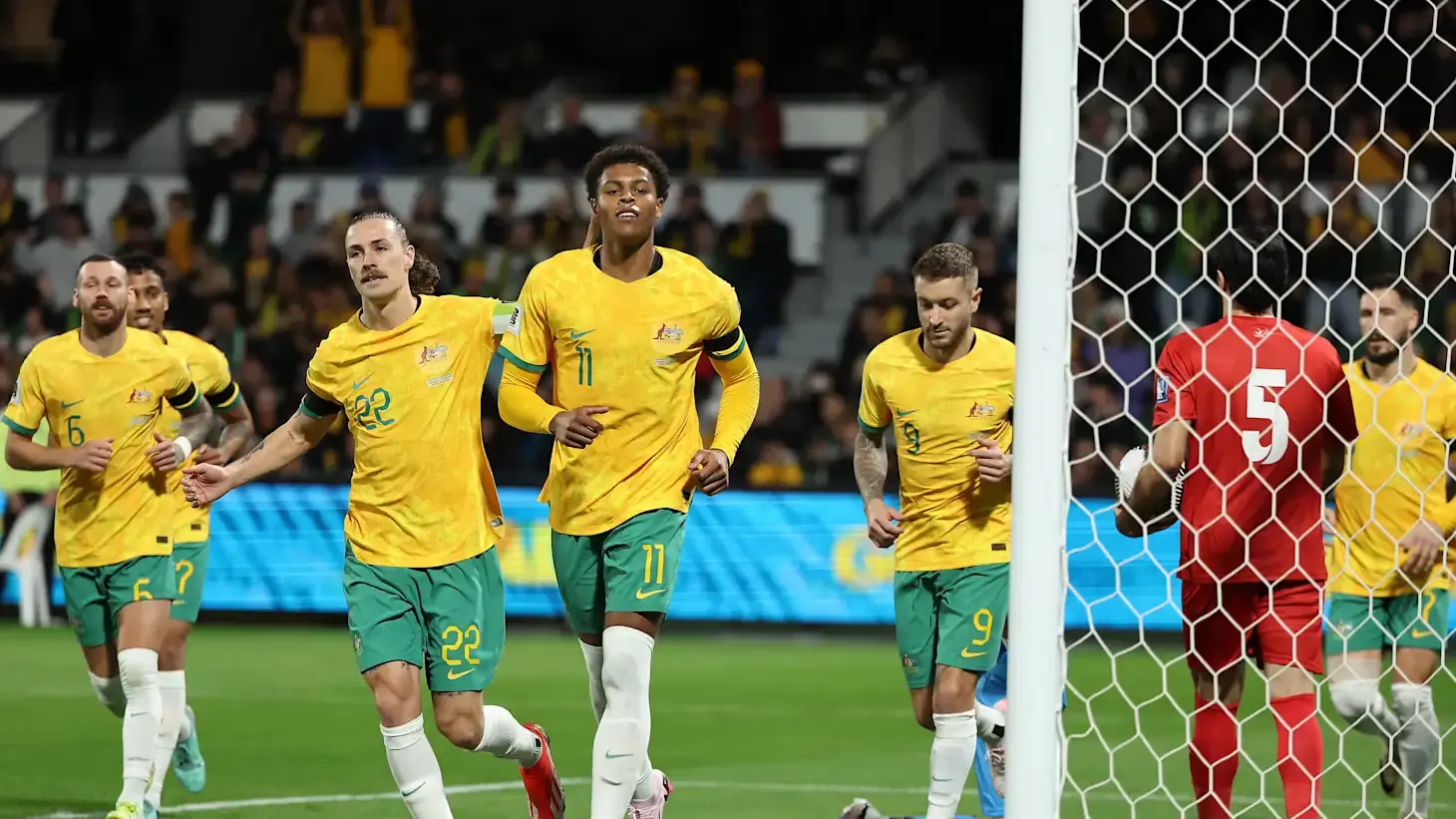
That combination is what makes the cycle so compelling. FIFA's official explainer also notes that the six host nations qualify automatically, which immediately changes the geography of the qualifying story for their confederations. Everyone else will spend the next years chasing those remaining places through the normal fifa matchday rhythm. The result should be a tournament conversation that moves on two tracks at once: celebration of the past, and accumulation of evidence about who belongs in the future field. That is a rare balance. Most World Cups are sold on novelty, but world cup 2030 can be sold on memory, reach and logistical ambition all at once.
That is why this edition already feels unusually significant. It is a centenary World Cup, a six-nation production and a tournament whose real tone will be shaped over dozens of fifa matchday windows long before the opening whistle. By the time the draw arrives, supporters will not just be looking at a bracket. They will be looking at the final shape of a decade-long football story.