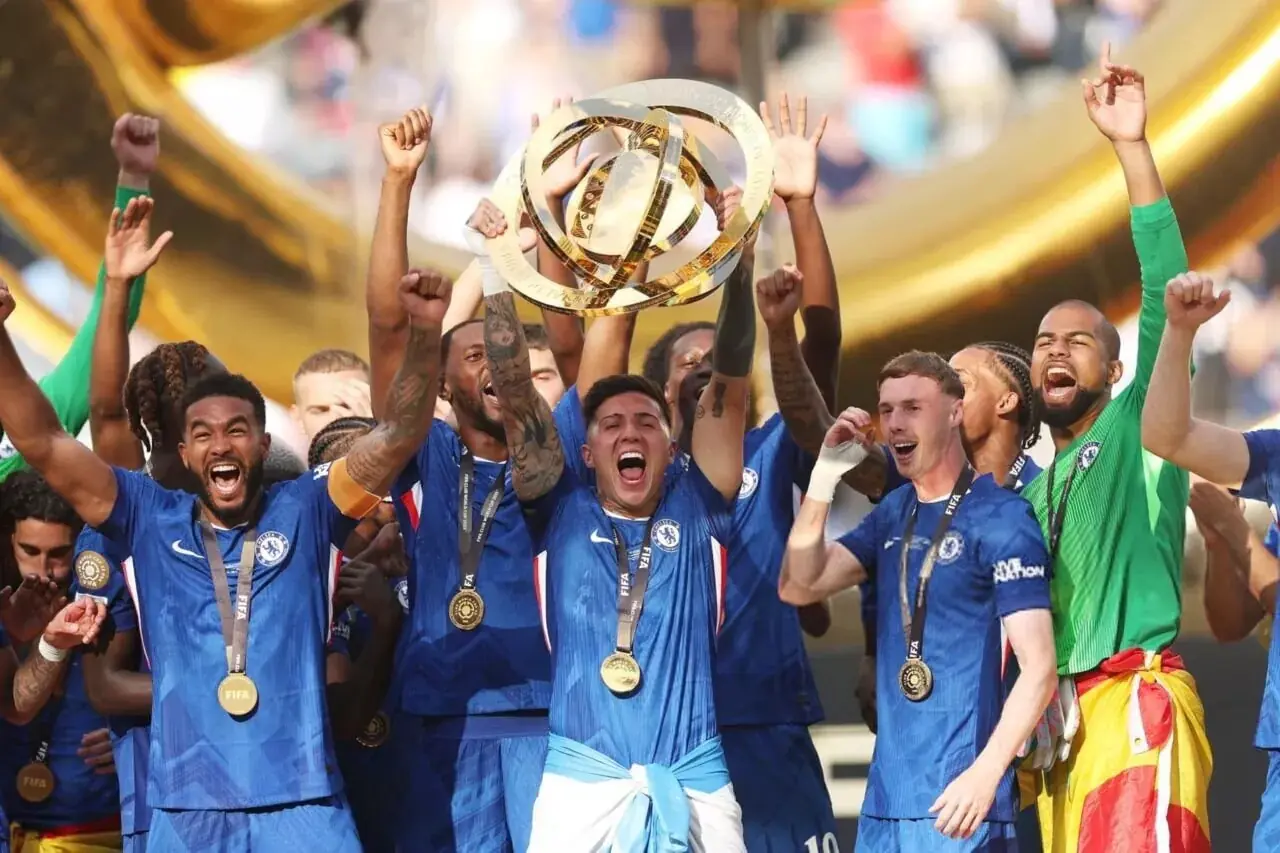
FIFA Series 2026 / Global
FIFA Series 2026: 34 Nations, 9 Series, 8 Host Countries in March's Intercontinental Showdown
FIFA Series 2026 · Global
34 nations, six confederations, five continents — all in one March 2026 window.
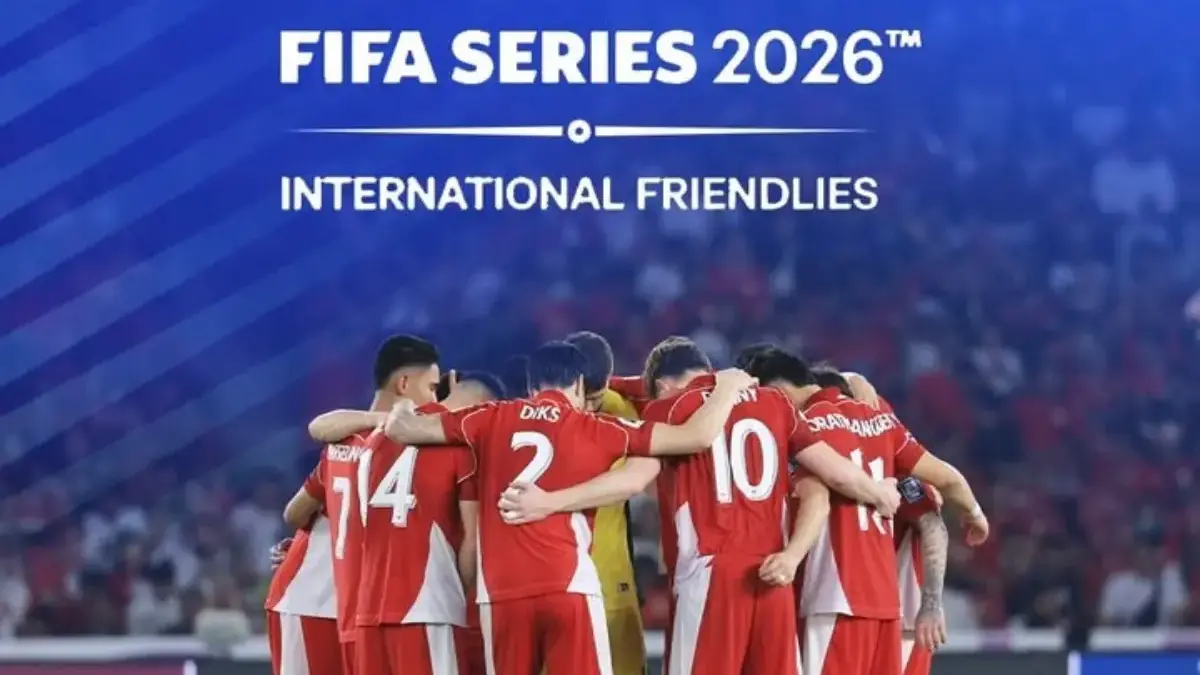
The FIFA Series 2026 is a new invitational tournament organised by FIFA that brings national teams from different continental confederations together for competitive intercontinental friendly matches. Running from March 25 to 31, 2026, it fills the FIFA international window in the months leading up to the World Cup itself — giving nations at similar competitive levels a meaningful stage to prepare, develop and compete.
Format & Rules
The FIFA Series 2026 is organised into 9 separate series across 8 host nations, with 3 to 4 teams competing in each series. Participating member associations choose between two formats: a pre-arranged fixture schedule where each team faces two of the others, or a Final Four knockout format with semi-finals and a final. One distinctive rule applies to all matches: there is no extra time. Any match that finishes level at 90 minutes proceeds directly to a penalty shootout — a format that keeps every game sharp and decisive from the first whistle.
The FIFA Series 2026 is organised into 9 separate series across 8 host nations, with 3 to 4 teams competing in each series. Participating member associations choose between two formats: a pre-arranged fixture schedule where each team faces two of the others, or a Final Four knockout format with semi-finals and a final. One distinctive rule applies to all matches: there is no extra time. Any match that finishes level at 90 minutes proceeds directly to a penalty shootout — a format that keeps every game sharp and decisive from the first whistle.
Confederation Breakdown — 34 Nations
UEFA
6
nations
CONCACAF
8
nations
CAF
9
nations
AFC
6
nations
CONMEBOL
2
nations
OFC
3
nations
9 Series Across 8 Host Nations
The tournament is spread across eight host countries on five continents, making it one of the most geographically diverse football events in history. Each series brings together nations that would rarely meet in official competitive football, creating matchups that are genuinely novel for supporters and technically valuable for coaching staff preparing for the World Cup.
The tournament is spread across eight host countries on five continents, making it one of the most geographically diverse football events in history. Each series brings together nations that would rarely meet in official competitive football, creating matchups that are genuinely novel for supporters and technically valuable for coaching staff preparing for the World Cup.
| Series Host | Dates | Participating Nations |
|---|---|---|
| Kazakhstan | Mar 25–31 | Kazakhstan, Comoros, Namibia |
| New Zealand | Mar 27–30 | New Zealand, Cape Verde, Chile, Finland |
| Australia | Mar 27–31 | Australia, China, Cameroon, Curaçao |
| Azerbaijan | Mar 27–30 | Azerbaijan, Saint Lucia, Sierra Leone |
| Uzbekistan | Mar 27–30 | Uzbekistan, Gabon, Trinidad & Tobago, Venezuela |
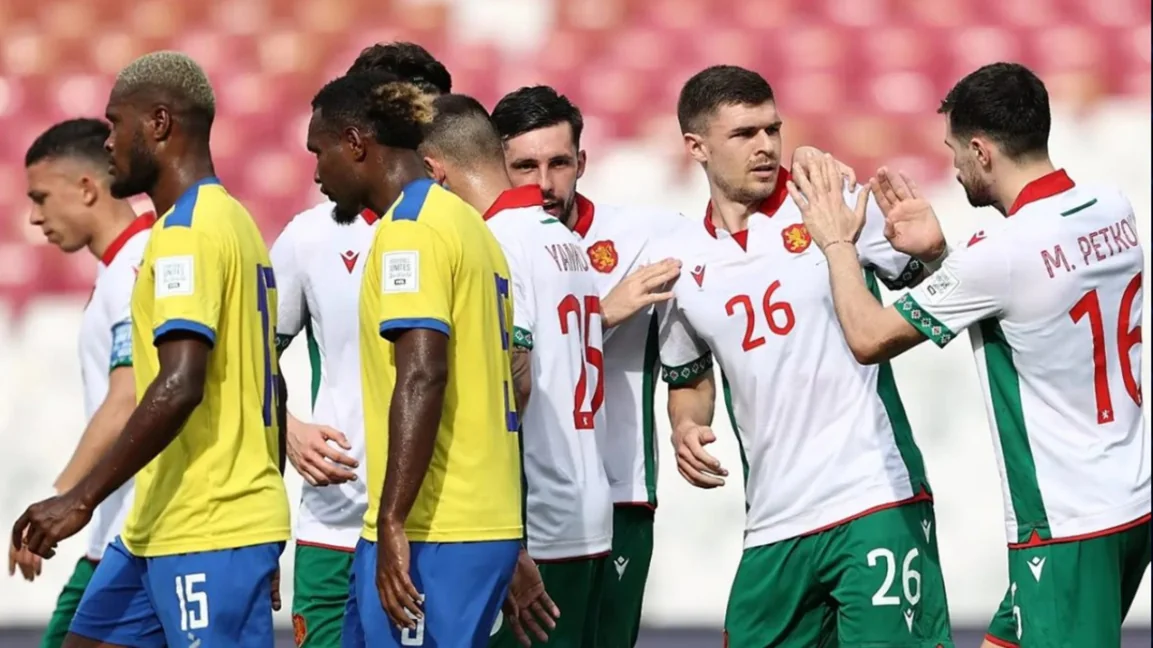
| Indonesia | Mar 27–30 | Indonesia, Bulgaria, Saint Kitts & Nevis, Solomon Islands |
| Puerto Rico | Mar 27–30 | Puerto Rico, American Samoa, Guam, USA |
| Rwanda (Series 1) | Mar 27–30 | Rwanda + 3 nations |
| Rwanda (Series 2) | Mar 27–30 | Rwanda + 3 nations |
Why the FIFA Series Matters
The timing of the FIFA Series 2026 is deliberate. With the World Cup just weeks away, the March international window is typically reserved for final warm-up friendlies — matches that can feel low-stakes for established nations but carry real significance for developing football programmes. The FIFA Series gives those nations a structured, competitive environment with results recorded and context attached. For teams from OFC, smaller CONCACAF nations and emerging African programmes, these matches represent exactly the kind of intercontinental exposure that shapes a football generation. For fans, it is a chance to watch national teams you might otherwise only see on a bracket sheet — playing real football with something on the line.
The timing of the FIFA Series 2026 is deliberate. With the World Cup just weeks away, the March international window is typically reserved for final warm-up friendlies — matches that can feel low-stakes for established nations but carry real significance for developing football programmes. The FIFA Series gives those nations a structured, competitive environment with results recorded and context attached. For teams from OFC, smaller CONCACAF nations and emerging African programmes, these matches represent exactly the kind of intercontinental exposure that shapes a football generation. For fans, it is a chance to watch national teams you might otherwise only see on a bracket sheet — playing real football with something on the line.