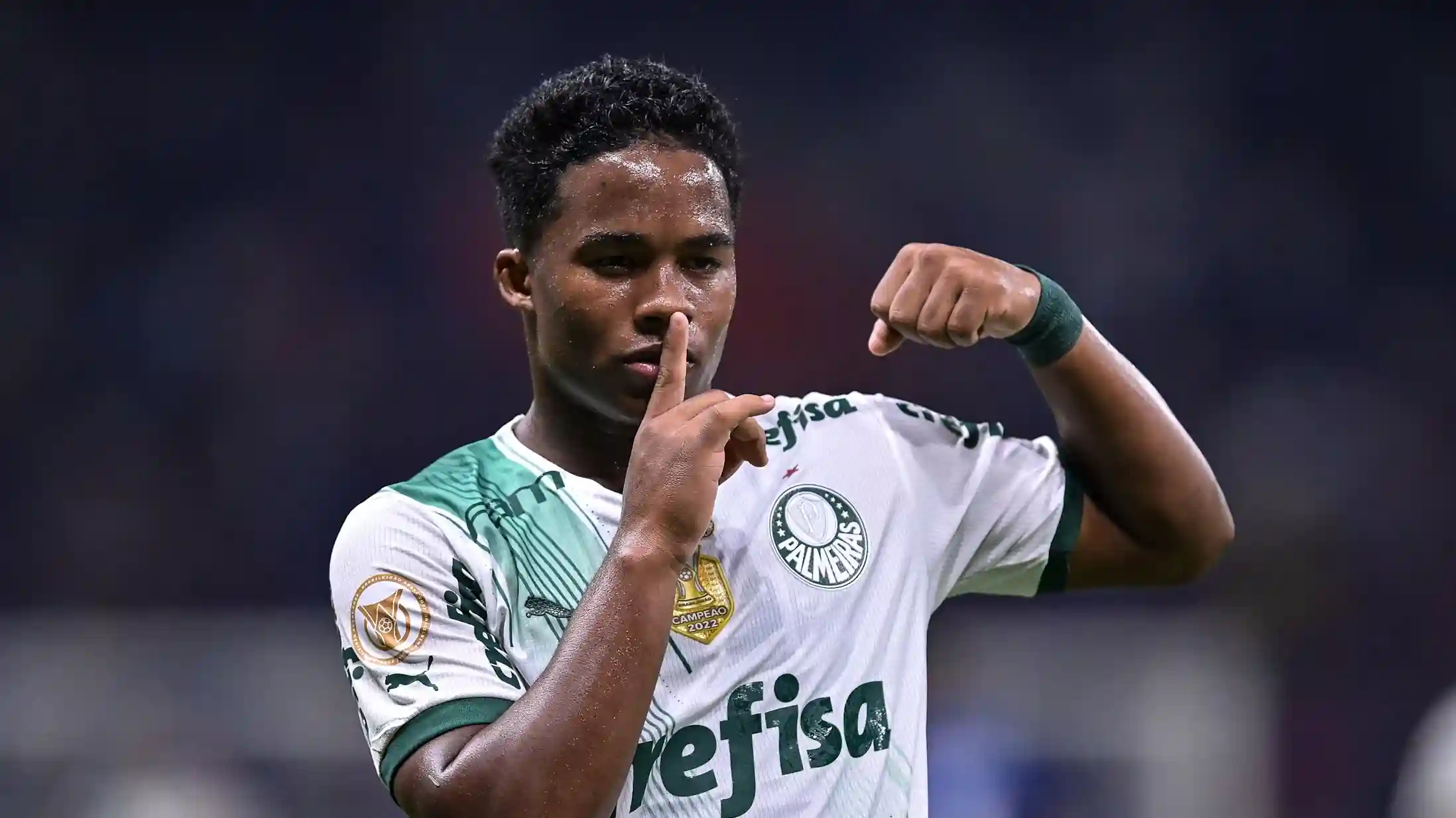
Endrick and Brazil's World Cup Striker Problem
·
Why the Lyon loan and the Premier League Golden Boot race have left Ancelotti's selection wide open
Endrick, born July 21 2006, is 19 years old and plays as a striker for Real Madrid on loan at Olympique Lyonnais — in direct competition with Brentford's Igor Thiago for the starting striker role in Brazil's 2026 World Cup attack. Brazil arrives at the 2026 World Cup with more forward options than any other nation in the tournament. Two names define the striker debate for Brazil's World Cup campaign — Endrick, the 19-year-old Real Madrid forward who found form during his loan at Lyon, and Igor Thiago, the Brentford forward who spent the Premier League season directly behind Erling Haaland in the scoring charts. Their profiles are different. The problem they present Brazil's coach is the same.
Who is Endrick — the teenager Real Madrid paid €60 million for?
Endrick Felipe Moreira de Sousa was born on 21 July 2006 in Taguatinga, a satellite city in Brazil's Federal District, into a family with limited means and a young player who showed extraordinary ability from the earliest age. Palmeiras identified him as a child and brought him into their academy, where he progressed through the youth ranks at a pace that placed him ahead of players two and three years older at every stage. He made his professional debut for Palmeiras at 16 years and 5 months, becoming the youngest player to score in the Brasileirão at the time. By the end of his time at Palmeiras, he had scored 18 goals and provided 8 assists in 58 appearances across all competitions before his 18th birthday.
Real Madrid agreed the transfer in December 2022, when Endrick was still 16 — a deal reported at €60 million including add-ons that made him one of the most expensive teenagers in the history of the sport at the point of signing. FIFA regulations prevented him from moving to Europe before turning 18, so he remained at Palmeiras until July 2024. Brazil called him into the senior squad for the first time in 2023 under Fernando Diniz, and he scored on his debut, confirming that the qualities Palmeiras had built into him — movement, composure in the box, the ability to turn half-chances into goals — were already present at the level that would make him a World Cup consideration. He arrived at the Bernabéu in July 2024 under Carlo Ancelotti, and while his first season brought limited minutes, the Lyon loan changed the trajectory of his World Cup prospects entirely.
Why has the Lyon loan moved Endrick back into Brazil's plans?
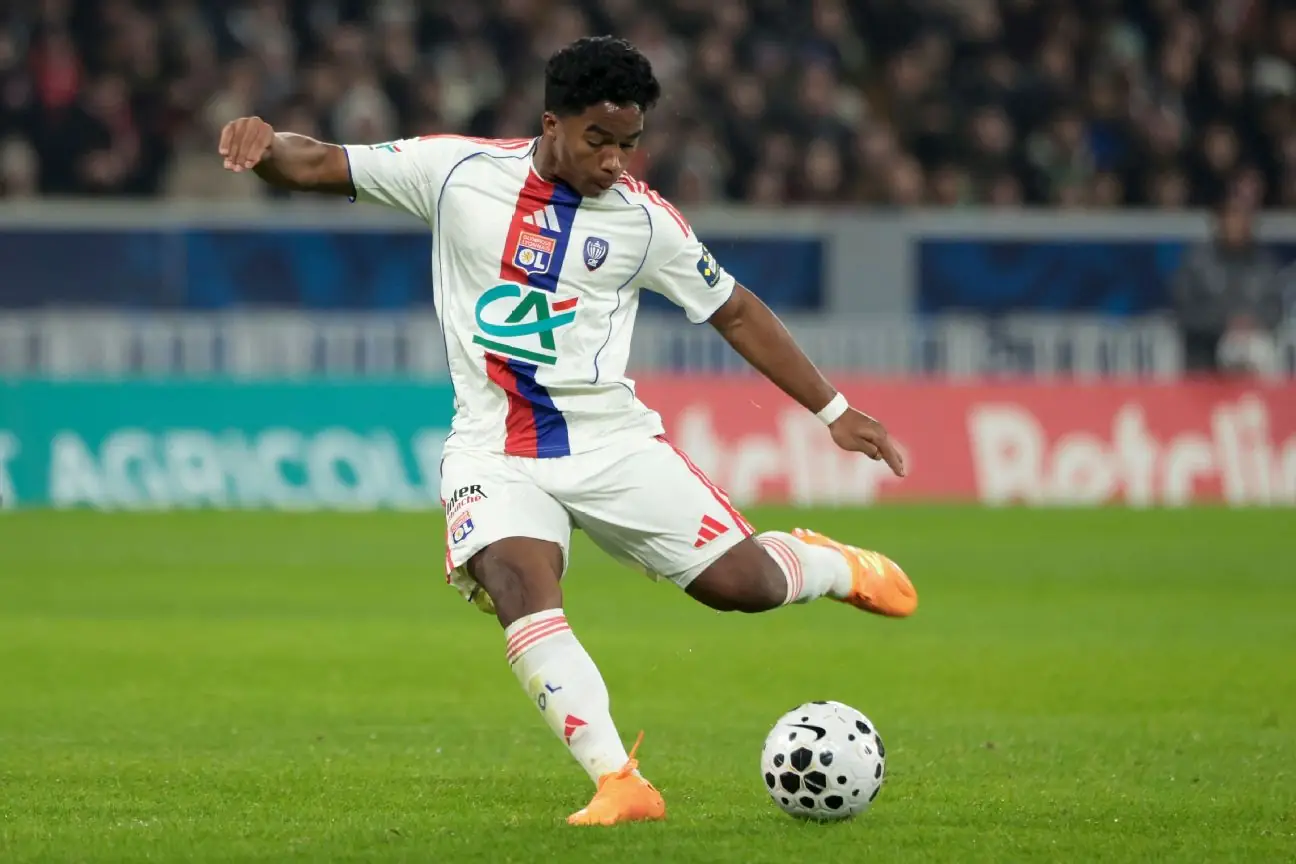
Endrick Felipe joined Lyon on loan from Real Madrid in late December 2025 after opportunities under Xabi Alonso at the Bernabéu had dried up almost entirely. The move carried a clear objective — secure a place in the 2026 World Cup squad — and the results delivered. In 12 appearances across all competitions for Lyon, Endrick produced six goals and four assists, numbers that brought him back firmly into Ancelotti's Brazil plans after a period of uncertainty. At Real Madrid in 2024-25, he had made 37 appearances under the same coach but accumulated just 847 minutes, scoring seven goals; the lack of consistent rhythm was precisely what the Lyon loan addressed. Ancelotti's direct knowledge of Endrick from their time together at the Bernabéu gives the teenager a familiarity advantage that no statistics fully capture.
The Premier League case Brazil cannot ignore
Igor Thiago arrived in the Premier League from Club Brugge, where he had scored 29 goals in 55 appearances and helped the club win the Belgian Pro League title while also reaching the Conference League semi-finals. At Brentford, the 22-year-old carried that form into a significantly higher level of competition, finishing the season as the second-highest scorer in the Premier League behind only Erling Haaland. On March 16, 2026, that return earned him his first call-up to the Brazil national team for friendlies against France and Croatia. Igor Thiago's World Cup case does not rely on pedigree or potential — it is built entirely on goals scored at elite level during the months that matter most for selection.
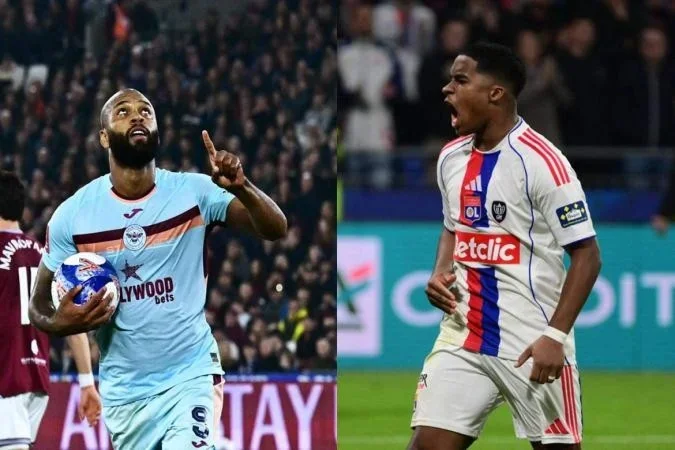
What does the Endrick–Igor Thiago debate mean for Brazil's World Cup attack?
The difference between the two is structural. Endrick is a movement forward — sharp in transition, effective in tight spaces, built for a role that requires constant repositioning off the ball. Igor Thiago is a more classical centre-forward, physically imposing inside the box and clinical with the kind of half-chances a major tournament creates. Ancelotti's Brazil tends to build through wide areas, with Vinicius Jr. and Rodrygo providing the primary attacking threat; the central striking role becomes one of intelligent positioning rather than high-volume involvement. Both men can fulfil that role, but by different means, and neither currently has a guaranteed place in the 26-man squad being finalised this week.
What makes the Endrick–Igor Thiago comparison so relevant to Brazil's World Cup 2026 prospects is that either outcome produces a capable forward. If Endrick's Lyon loan form and Ancelotti's personal familiarity with him tip the decision his way, Brazil gain the tournament's most recognisable young attacker with something to prove on the biggest stage. If Igor Thiago's Premier League goal tally makes the argument, Brazil gain a proven scorer performing at elite domestic level during the exact months that precede the tournament. The squad announcement on May 18 closed the debate on who travels — but whichever name Ancelotti called, Brazil's striker position will have been filled by competition rather than reputation.
Rodrygo's injury reshapes the Brazil squad picture entirely
The Endrick–Igor Thiago debate does not exist in isolation. Rodrygo — who might otherwise have occupied one of Brazil's attacking berths and reduced the available room for both striker candidates — has been ruled out of the tournament after suffering a torn ACL and lateral meniscus in his right knee, a significant loss given his experience and the chemistry he had built within Ancelotti's system at both club and international level. Estevao, the Chelsea forward who had been viewed as one of the most exciting young attacking talents in Brazil's 2026 planning, suffered a grade-4 hamstring injury and was left off Brazil's preliminary 55-man list entirely. Together, those two absences shift the arithmetic of squad selection: positions that appeared settled are now open, and the decision between Endrick's movement and Igor Thiago's proven Premier League goal record was the central question heading into the May 18 announcement.
Ancelotti submitted a 55-man preliminary list to FIFA on May 11, 2026, with both Endrick and Igor Thiago included. Neymar's surprise appearance on that same long list — despite his absence from every prior Ancelotti-era squad — is a measure of how fluid the situation remains right up to the deadline. The preliminary list is not the squad; the final 26 players were confirmed at the Museum of Tomorrow in Rio de Janeiro on May 18. What is already clear is that Endrick and Igor Thiago have done enough to be in consideration when those names are read out, and the final call will come down to how Ancelotti wants to solve Brazil's one genuinely open position.
Brazil's Group C fixtures and what the North American draw means for the strikers
Brazil's group stage takes place entirely across the United States. The opener against Morocco at MetLife Stadium in East Rutherford on June 13 tests Brazil's precision in front of goal against a defensively disciplined side with tournament experience. The second fixture is against Haiti at Lincoln Financial Field in Philadelphia on June 19 — a game where goal difference may matter if the group tightens later. Brazil close their group on June 24 against Scotland at Hard Rock Stadium in Miami. Ancelotti's preferred 4-3-3 or 4-2-3-1 structure places the primary creative responsibility with the wide forwards — Vinicius Jr. and Raphinha — while the central striker's role is defined by efficiency in central areas and pressing from the front. Both Endrick and Igor Thiago fit that function from different angles, and whichever one Ancelotti names in the starting XI on June 13 will carry the weight of a decision the whole of Brazil has been debating since January.
World Cup 2026 prediction — what Endrick offers Brazil across the tournament
If Endrick makes the squad and earns minutes at the 2026 World Cup, what Brazil get is a forward who wins matches in the margins — the striker who produces a moment of individual quality in a game that has been difficult to unlock, rather than one who dominates possession or accumulates touches. His Lyon form demonstrated exactly that: goals and assists generated from limited opportunities, in a team that does not build its system around him. For a Brazil squad where Vinicius Jr. and Raphinha carry the primary creative load, that profile is a precise fit for the central striking role Ancelotti's system provides.
The broader significance of Endrick's presence at a first World Cup extends beyond this tournament's outcome. He turns 20 on July 21, 2026 — the day after the World Cup final. A player of his profile, with his development trajectory and the backing of Real Madrid's infrastructure behind him, is already in the planning for Brazil's 2030 cycle. The 2026 tournament is the stage that either accelerates that trajectory with a goal on the world's largest platform, or confirms that another year of senior club football is needed before that moment arrives. Either outcome is the beginning of a career chapter, not the end of one.
FAQ
What club does Endrick play for?
Endrick is registered to Real Madrid after completing a €60 million transfer from Palmeiras in July 2024. He spent the 2025-26 season on loan at Olympique Lyonnais to gain regular first-team experience ahead of the World Cup.
What group is Brazil in at the 2026 World Cup?
Brazil are in Group C at the 2026 World Cup, facing Morocco, Haiti and Scotland. As five-time world champions, they are among the tournament's strongest contenders.
How old is Endrick?
Endrick was born on July 21 2006, making him 19 years old at the start of the 2026 World Cup — one of the youngest players in the entire tournament.
Who is Igor Thiago?
Brentford's Brazilian striker who finished second in the Premier League scoring charts. Read the full profile →
Where is Endrick from?
Endrick was born in Bento Gonçalves, Rio Grande do Sul, Brazil. He came through the youth academy at Palmeiras, one of Brazil's most storied clubs, and made his first-team debut at the age of 16 before his record move to Real Madrid.